
NFL
Iran Pushes Back Strongly as Mohammad Bagher Qalibaf Accuses Donald Trump of Using Threats to Force a Deal

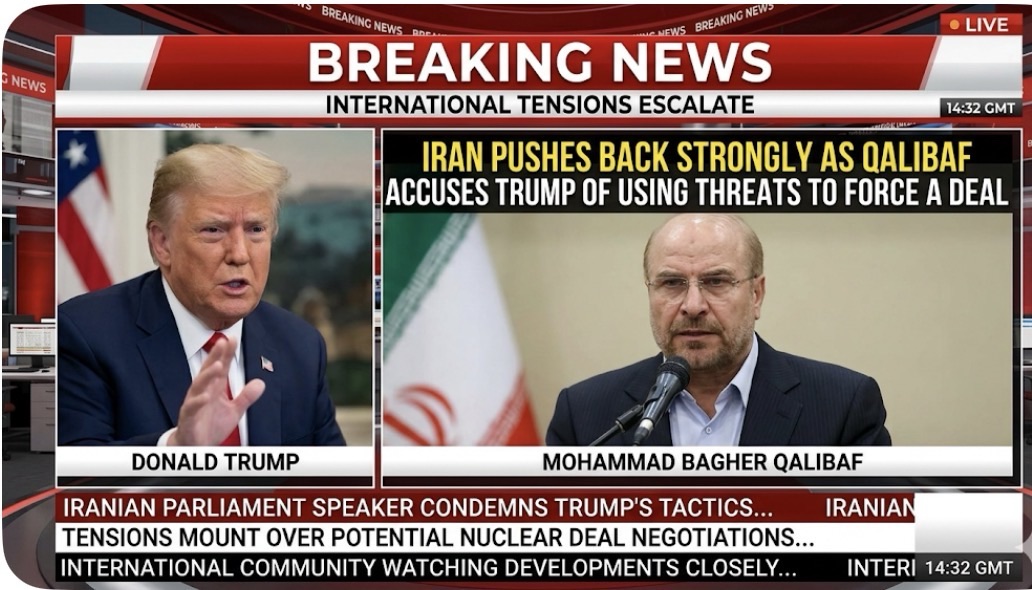
Iran has issued a firm rejection of what it describes as “threat-based diplomacy,” escalating tensions with the United States as prospects for renewed negotiations remain uncertain.
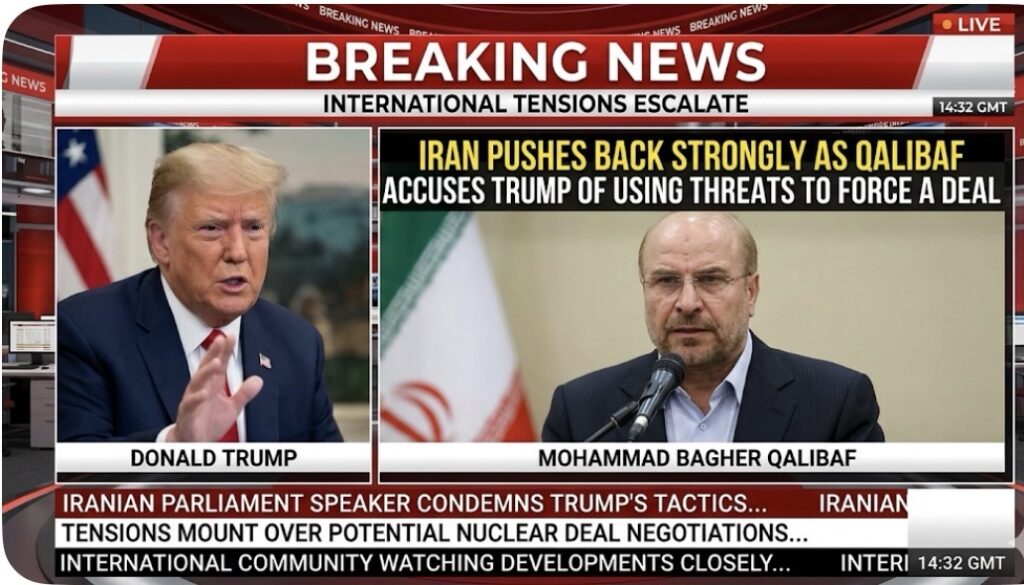
Speaking in a strongly worded statement, Iranian Parliament Speaker Mohammad Bagher Qalibaf accused Donald Trump of attempting to manipulate ongoing diplomatic efforts into what he called a “table of surrender.” He stressed that Tehran would not engage in any talks conducted under pressure or coercion.
“We do not accept negotiations under the shadow of threats,” Qalibaf said, signaling a hardening stance from Iranian leadership amid growing regional instability.
The remarks come at a critical moment, as a fragile ceasefire between the two countries edges toward expiration and uncertainty surrounds a proposed new round of talks expected to take place in Islamabad. Iranian officials have yet to confirm their participation, citing mixed signals and continued pressure from Washington as major obstacles.
Qalibaf’s comments reflect broader frustration within Tehran over what it sees as contradictory messaging from the U.S. side—alternating between calls for diplomacy and threats of military escalation. Analysts say this dual approach has deepened mistrust and complicated efforts to revive negotiations.
The Iranian speaker also suggested that the country is prepared to respond decisively if tensions escalate further, hinting at new strategic measures already in place. His statement underscores Iran’s position that it will not concede to external pressure, even as economic and military pressures mount.
Meanwhile, Donald Trump has maintained a hardline stance, insisting that Iran must meet U.S. demands while warning of consequences if negotiations fail. The ongoing standoff has contributed to rising global concerns, particularly over energy markets and security in the Strait of Hormuz.
With both sides entrenched in their positions, the path toward a diplomatic breakthrough appears increasingly uncertain. For now, Iran’s message remains clear: negotiations, if they are to happen, must come without threats.

Donald Trump Escorted From White House Correspondents’ Dinner After Shooting as FBI Examines Last-Minute 5 BTC Transaction Linked to Suspect
Tehran Officially States China Is Destined to Replace America as the Dominant Global Power, Citing Shifting International Alliances
President Trump Rejects Quick Iran Agreement, Doubles Down on Blockade That Denies Regime Money and Weakens Its Economy

President Trump Declares US Will Take Over Cuba Almost Immediately After Completing Military Operations in Iran: ‘We’ll Finish One First, I Like to Finish a Job’

Tehran Sends Fresh Peace Offer to Washington Through Pakistan Amid Fragile Ceasefire – Insiders Warn This Could Be the Last Chance to Avoid Escalation in the 2026 Iran Conflict

Trump Announces Review of Possible U.S. Troop Reductions in Germany While Threatening Withdrawals from Italy and Spain Over Allies’ Refusal to Support American Military Operations Against Iran

As Trump Rejects Iran’s Proposal to Reopen the Strait of Hormuz and Prioritize Nuclear Talks Later, Parliament Deputy Speaker Warns Washington Must Yield to Tehran’s Terms or Confront Nationwide Resistance and Potential Unprecedented Retaliatory Actions

Diplomatic Standoff Intensifies: US Dismisses Iran’s Recent Peace Initiative While Iranian Officials Insist They Require No External Talks to Determine Their Path Forward

Trump Administration Expresses Dissatisfaction with Iran’s Latest Proposal to Reopen the Strait of Hormuz Without Immediate Concessions on Its Nuclear Program, Signaling Potential for Extended Naval Blockade

Trump Administration Remains Skeptical of Iran’s Latest Peace Proposal That Seeks to Reopen the Strait of Hormuz and End the War Without Addressing the Nuclear Program Upfront

China Delivers Strong Rejection to US Threats of 100% Tariffs, Vowing to Continue Iranian Oil Imports Despite American Pressure on Beijing’s Energy Security
