
NFL
UK Firmly Rejects Participation in Trump’s Unilateral Naval Blockade of the Strait of Hormuz, Prioritizing Multilateral Diplomacy and Freedom of Navigation Instead

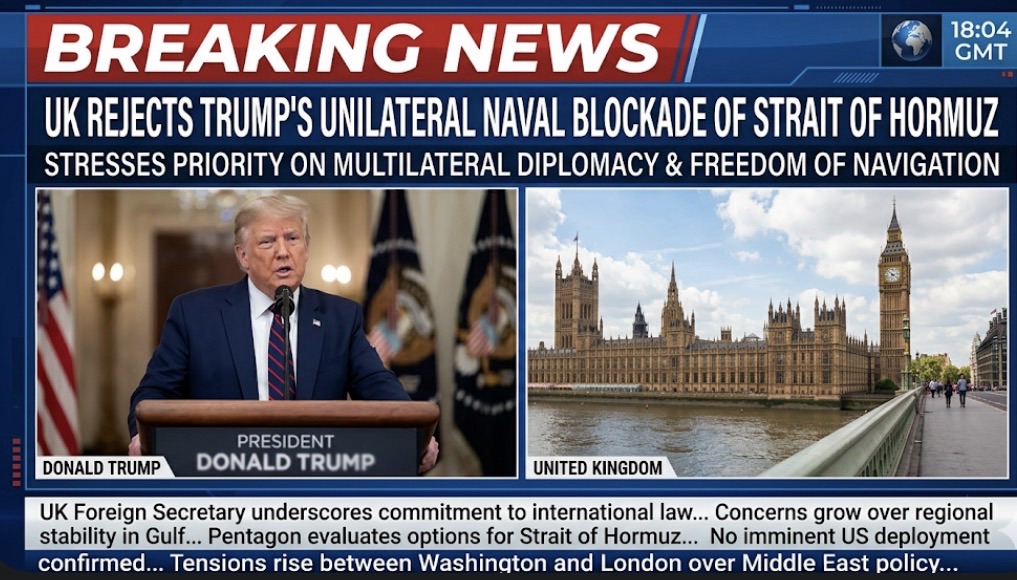
The United Kingdom has firmly rejected any involvement in a proposed unilateral naval blockade of the Strait of Hormuz reportedly pushed by Donald Trump, signaling a clear divergence in strategy between Washington and one of its closest allies. British officials emphasized that their approach remains rooted in multilateral diplomacy, de-escalation, and the protection of international maritime law.
According to senior figures within the UK government, participation in a blockade—especially one not backed by a broad international coalition or formal mandate—could risk inflaming already heightened tensions in the Gulf. The Strait of Hormuz, a critical chokepoint through which a significant portion of the world’s oil supply passes, has long been a flashpoint for geopolitical friction, particularly involving Iran and Western powers.
Rather than aligning with a hardline military posture, the UK is advocating for renewed diplomatic engagement involving regional and global stakeholders. Officials underscored the importance of maintaining freedom of navigation, a principle enshrined in international law, warning that any disruption to commercial shipping lanes could have far-reaching economic consequences.
The UK’s stance also reflects concerns over the legality and potential unintended consequences of a unilateral blockade. Without backing from institutions such as the United Nations or a coalition of allied nations, such a move could be interpreted as escalatory and destabilizing, potentially provoking retaliatory measures.
British defense and foreign policy leaders are instead calling for coordinated maritime security efforts that ensure safe passage for vessels while avoiding provocative actions. This includes continued cooperation with allies in intelligence sharing, naval patrols, and diplomatic pressure aimed at reducing tensions with Tehran.
The disagreement highlights a broader divide in how Western nations are approaching the ongoing crisis. While the Trump-aligned proposal reflects a more aggressive attempt to assert control over the strategic waterway, the UK’s response underscores a preference for consensus-driven solutions and long-term regional stability.
As tensions in the Gulf remain fragile, the UK’s decision not to participate in a unilateral blockade may influence other allies weighing their own responses. The coming days are likely to test the cohesion of transatlantic relations, as well as the effectiveness of diplomacy in preventing further escalation in one of the world’s most strategically vital regions.
Taylor Swift and Travis Kelce Wedding Speculation Heats Up as Alleged Details of Date and Venue Emerge

UK Firmly Rejects Participation in Trump’s Unilateral Naval Blockade of the Strait of Hormuz, Prioritizing Multilateral Diplomacy and Freedom of Navigation Instead

Trump Orders US Navy to Immediately Blockade All Ships Entering or Leaving the Strait of Hormuz After Failed Peace Talks with Iran in Islamabad

Ceasefire at Risk as Talks Collapse: Vance Reveals Iran Rejected U.S. Terms After 21 Hours of Negotiations

Trump Threatens China Over Alleged Iran Arms Deal While U.S.-Iran Negotiations Falter in Pakistan

U.S. Navy Warships Successfully Reenter Strait of Hormuz for the First Time Since Recent Conflict, Launching Critical Operation to Clear Iranian Sea Mines

Iran Rejects Trump Administration’s Final Best Offer on Nuclear Program as VP JD Vance Returns Empty-Handed from High-Stakes Islamabad Peace Talks

JD Vance Declares U.S. Position Firm in Pakistan: Iran Must Provide Affirmative Commitment to Abandon Nuclear Weapons and Eliminate Rapid Breakout Capabilities

Taylor Swift and Travis Kelce Reportedly Set New Wedding Date as Guests Sign Strict NDAs for Mystery NYC Venue

Taylor Swift’s Inner Circle Prepares Special Wedding Day Surprise for Her and Travis Kelce

Travis Kelce Takes Break on Golf Trip Days After Public Debut with Taylor Swift
