
NFL
UK Firmly Rejects Participation in Trump’s Unilateral Naval Blockade of the Strait of Hormuz, Prioritizing Multilateral Diplomacy and Freedom of Navigation Instead

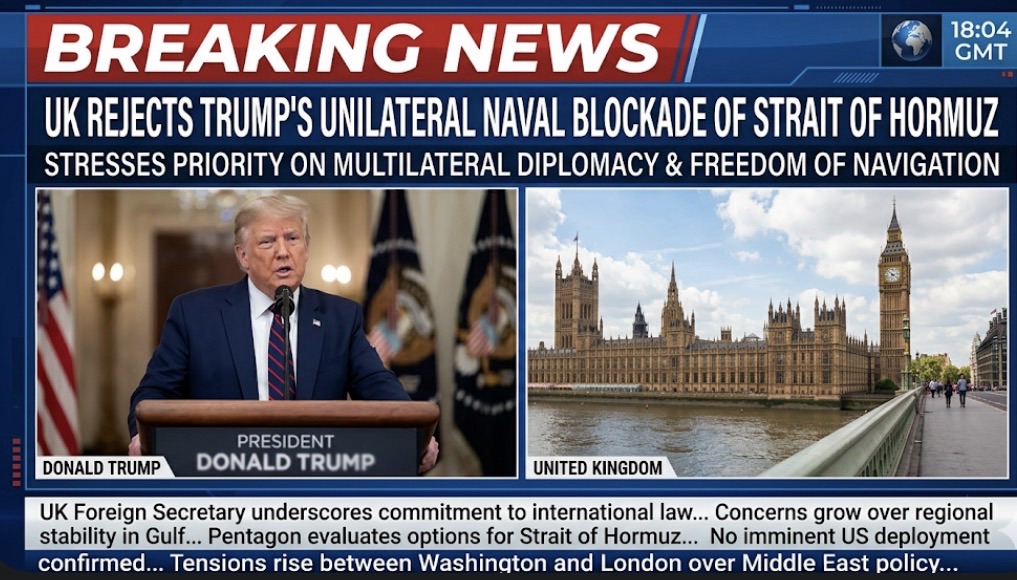
The United Kingdom has firmly rejected any involvement in a proposed unilateral naval blockade of the Strait of Hormuz reportedly pushed by Donald Trump, signaling a clear divergence in strategy between Washington and one of its closest allies. British officials emphasized that their approach remains rooted in multilateral diplomacy, de-escalation, and the protection of international maritime law.
According to senior figures within the UK government, participation in a blockade—especially one not backed by a broad international coalition or formal mandate—could risk inflaming already heightened tensions in the Gulf. The Strait of Hormuz, a critical chokepoint through which a significant portion of the world’s oil supply passes, has long been a flashpoint for geopolitical friction, particularly involving Iran and Western powers.
Rather than aligning with a hardline military posture, the UK is advocating for renewed diplomatic engagement involving regional and global stakeholders. Officials underscored the importance of maintaining freedom of navigation, a principle enshrined in international law, warning that any disruption to commercial shipping lanes could have far-reaching economic consequences.
The UK’s stance also reflects concerns over the legality and potential unintended consequences of a unilateral blockade. Without backing from institutions such as the United Nations or a coalition of allied nations, such a move could be interpreted as escalatory and destabilizing, potentially provoking retaliatory measures.
British defense and foreign policy leaders are instead calling for coordinated maritime security efforts that ensure safe passage for vessels while avoiding provocative actions. This includes continued cooperation with allies in intelligence sharing, naval patrols, and diplomatic pressure aimed at reducing tensions with Tehran.
The disagreement highlights a broader divide in how Western nations are approaching the ongoing crisis. While the Trump-aligned proposal reflects a more aggressive attempt to assert control over the strategic waterway, the UK’s response underscores a preference for consensus-driven solutions and long-term regional stability.
As tensions in the Gulf remain fragile, the UK’s decision not to participate in a unilateral blockade may influence other allies weighing their own responses. The coming days are likely to test the cohesion of transatlantic relations, as well as the effectiveness of diplomacy in preventing further escalation in one of the world’s most strategically vital regions.

Travis Kelce AND Taylor Swift ARE MARRIED! WEDDING CEREMONY CAPTIVATES FANS AND A-LISTERS ALIKE – Travis Kelce and Taylor Swift’s wedding is no longer a rumor. The couple officially tied the knot in a lavish ceremony that’s got the entire world talking!

Travis Kelce Caught Kissing Mystery Woman at His Bachelor Party at Bird Street — The Identity of the Woman Has Been Confirmed as Taylor’s Best…

A Surprise Homecoming: Jason and Travis Kelce have made a remarkable move that few expected. The NFL brothers recently purchased a modest house in Cleveland Heights, Ohio, close to where they were raised and first dreamed of football greatness. Rather than keeping it for themselves, they are turning the property into… see more.

BREAKING: Taylor Swift’s Divorced Parents, Andrea and Scott Swift, Remarry in a Private, Elegant Wedding — Travis Kelce Comforts Emotional Taylor as She Opens Up About the Pain She’s Carried Since Their Split… But Fans Are Left Stunned When She Announces What Many Have Suspected All Along: She’s Expecting… See More Photos

Stevie nicks and Tim McGraw set to perform at Taylor Swift and Travis Kelce’s wedding – which will be ‘bigger than the Met Gala’s. This is what we know 👇

Taylor Swift and Travis Kelce Reveal Plans for a Private Rehearsal Dinner Before Hosting an Epic 1,000-Guest Wedding Celebration

After weeks of speculation over Taylor Swift and Travis Kelce’s wedding plans, a permit has been filed for an event at Madison Square Garden over the July 4 weekend. Here’s what we know.

BREAKING: Serious Incident at the Mahomes Residence — Travis Kelce Faces Severe … After Deadly Dispute with Patrick Mahomes. Early this morning, police swarmed the home of football star Patrick Mahomes after a domestic dispute escalated into an unthinkable act of violence. Reports indicate that Travis Kelce has been confirmed…

OMG! TAYLOR IS MARRIED! You won’t believe the deeply emotional moment Taylor Swift walked down the aisle with her parents! The breathtaking custom dress, the bittersweet tears, and Travis waiting at the altar… it’s pure magic!

OMG! Travis Kelce and Taylor Swift Turn Heads at Met Gala 2026, Turning the Red Carpet into a Romantic Stage—but Fans Roast Their Outfits

New York Knicks Say They’ll be Declining White House Invitation from Donald Trump After NBA Championship Victory, Announce Massive Post-Parade Celebration Headlined by Taylor Swift
