
NFL
Ceasefire at Risk as Talks Collapse: Vance Reveals Iran Rejected U.S. Terms After 21 Hours of Negotiations

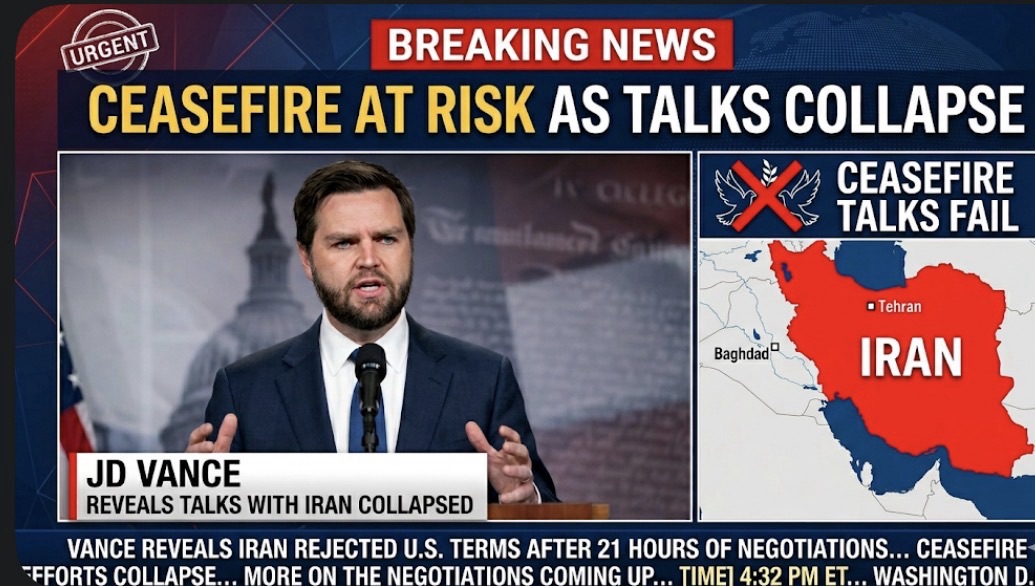
High-stakes negotiations between the United States and Iran ended without agreement after 21 hours of continuous talks in Islamabad, Pakistan, raising fresh concerns over the stability of an already fragile ceasefire in the region.
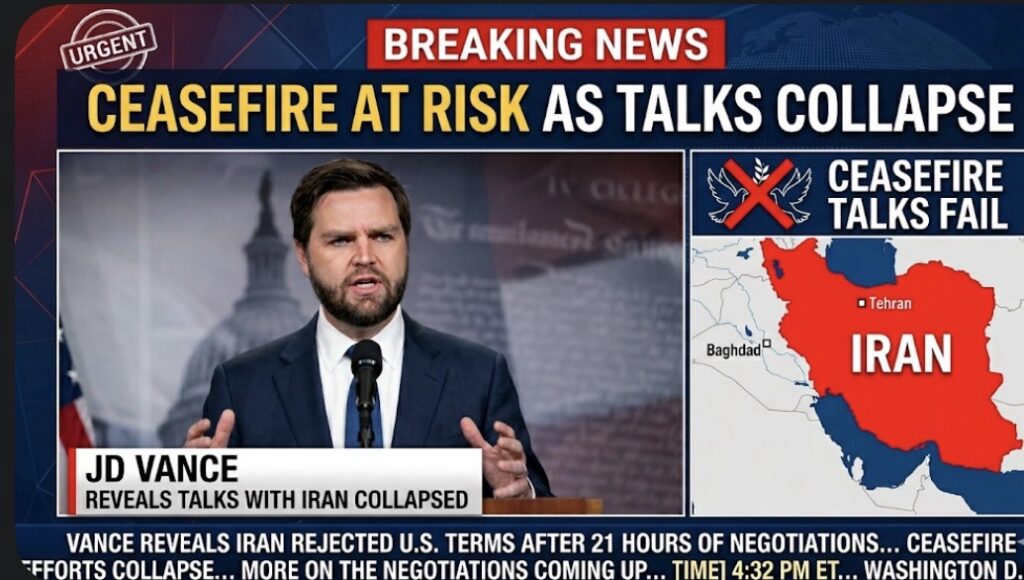
U.S. Vice President JD Vance, who led the American delegation, confirmed that no deal was reached, stating that Iran rejected key U.S. conditions during the final phase of discussions. He described the talks as extensive and serious, but ultimately unsuccessful due to fundamental disagreements between both sides.
According to U.S. officials, the primary sticking point was Iran’s refusal to accept Washington’s demand for a clear and enforceable commitment to abandon any pursuit of nuclear weapons capability. The United States had reportedly insisted on strict guarantees aimed at preventing Iran from maintaining or developing any rapid nuclear breakout capacity.
Iran, however, resisted those terms, arguing that the U.S. demands were unacceptable and overly restrictive. The disagreement over nuclear commitments emerged as the central obstacle that prevented any progress toward a final agreement.
The Islamabad talks were part of broader diplomatic efforts aimed at de-escalating tensions following weeks of instability in the region. The negotiations also touched on wider security issues, including regional stability and maritime security in critical shipping lanes.
Despite the long duration of discussions, both sides appeared unable to bridge their differences. Officials familiar with the talks described the atmosphere as tense but procedural, with mediators attempting to narrow the gap between opposing positions throughout the session.
The collapse of the talks now puts renewed pressure on the existing ceasefire, which has been described as fragile since its establishment. Analysts warn that without a diplomatic breakthrough, the risk of renewed escalation in the region remains high.
The Strait of Hormuz, a vital global oil transit route, is among the areas of concern, as any renewed conflict could disrupt international shipping and energy supplies. Previous tensions in the region have already had an impact on global markets, making the outcome of future negotiations closely watched by international observers.
Despite the failure to reach an agreement, U.S. officials have not ruled out future diplomatic engagement. Washington has indicated that its position remains unchanged, while also leaving the door open for Iran to reconsider its stance.
For now, however, the latest round of talks has ended in deadlock, with no timetable announced for the next meeting. The situation remains uncertain as both sides reassess their positions following the breakdown of negotiations.

Travis Kelce AND Taylor Swift ARE MARRIED! WEDDING CEREMONY CAPTIVATES FANS AND A-LISTERS ALIKE – Travis Kelce and Taylor Swift’s wedding is no longer a rumor. The couple officially tied the knot in a lavish ceremony that’s got the entire world talking!

Travis Kelce Caught Kissing Mystery Woman at His Bachelor Party at Bird Street — The Identity of the Woman Has Been Confirmed as Taylor’s Best…

A Surprise Homecoming: Jason and Travis Kelce have made a remarkable move that few expected. The NFL brothers recently purchased a modest house in Cleveland Heights, Ohio, close to where they were raised and first dreamed of football greatness. Rather than keeping it for themselves, they are turning the property into… see more.

BREAKING: Taylor Swift’s Divorced Parents, Andrea and Scott Swift, Remarry in a Private, Elegant Wedding — Travis Kelce Comforts Emotional Taylor as She Opens Up About the Pain She’s Carried Since Their Split… But Fans Are Left Stunned When She Announces What Many Have Suspected All Along: She’s Expecting… See More Photos

Stevie nicks and Tim McGraw set to perform at Taylor Swift and Travis Kelce’s wedding – which will be ‘bigger than the Met Gala’s. This is what we know 👇

Taylor Swift and Travis Kelce Reveal Plans for a Private Rehearsal Dinner Before Hosting an Epic 1,000-Guest Wedding Celebration

After weeks of speculation over Taylor Swift and Travis Kelce’s wedding plans, a permit has been filed for an event at Madison Square Garden over the July 4 weekend. Here’s what we know.

BREAKING: Serious Incident at the Mahomes Residence — Travis Kelce Faces Severe … After Deadly Dispute with Patrick Mahomes. Early this morning, police swarmed the home of football star Patrick Mahomes after a domestic dispute escalated into an unthinkable act of violence. Reports indicate that Travis Kelce has been confirmed…

OMG! TAYLOR IS MARRIED! You won’t believe the deeply emotional moment Taylor Swift walked down the aisle with her parents! The breathtaking custom dress, the bittersweet tears, and Travis waiting at the altar… it’s pure magic!

OMG! Travis Kelce and Taylor Swift Turn Heads at Met Gala 2026, Turning the Red Carpet into a Romantic Stage—but Fans Roast Their Outfits

New York Knicks Say They’ll be Declining White House Invitation from Donald Trump After NBA Championship Victory, Announce Massive Post-Parade Celebration Headlined by Taylor Swift
