
NFL
Iran Draws Hard Line in Hormuz Standoff: No US Ship Transits Allowed Through Strategic Strait Until Comprehensive Deal with Trump Administration is Finalized, Citing US Naval Blockade as Ceasefire Violation

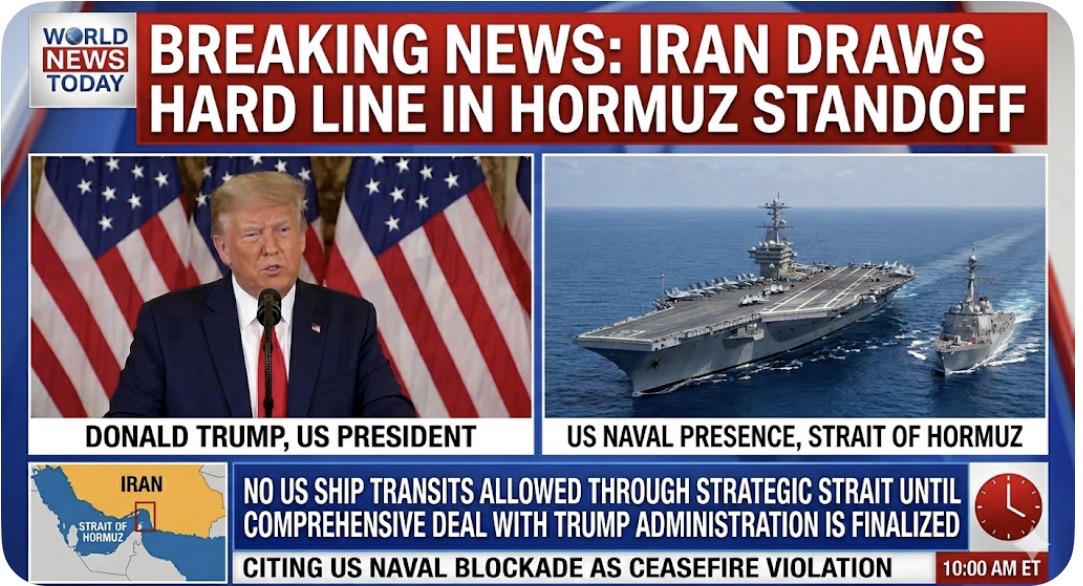
Iran has taken a firm position in the escalating Strait of Hormuz crisis, declaring that no U.S. vessels will be allowed to transit the strategic waterway until a comprehensive agreement is reached with the administration of President Donald Trump.
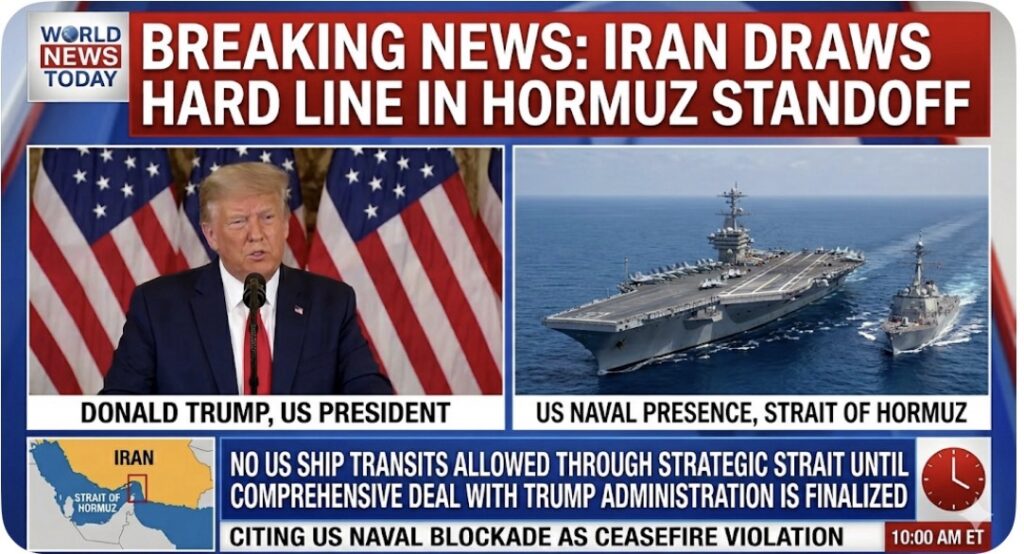
Tehran’s stance comes amid rising tensions over what it describes as a U.S.-led naval blockade, which Iranian officials argue violates the terms of a fragile ceasefire. Iranian leaders have warned that reopening the strait under current conditions is “impossible,” reinforcing their demand that Washington ease military and economic pressure before meaningful negotiations can proceed.
The standoff has intensified in recent days with both sides engaging in increasingly aggressive maritime actions. Iranian forces have seized multiple vessels in and around the strait, while U.S. forces have intercepted ships suspected of transporting sanctioned Iranian oil. These tit-for-tat moves have further strained diplomatic efforts and heightened the risk of miscalculation.
At the center of the crisis is the Strait of Hormuz, a vital global energy corridor through which roughly one-fifth of the world’s oil supply typically passes. Disruptions to shipping have already had global repercussions, with tanker traffic slowing dramatically and energy markets reacting sharply to the instability.
Iran has leveraged its strategic position by employing asymmetric naval tactics, including the use of fast attack boats, mines, and drone systems to challenge U.S. naval operations. These methods have complicated efforts by American and allied forces to secure the waterway and ensure safe passage for commercial shipping.
Meanwhile, the United States has doubled down on enforcement, maintaining its blockade of Iranian-linked vessels and increasing military presence in the region. The Trump administration has indicated it will continue applying pressure until Iran agrees to broader terms, including restrictions tied to security and economic issues.
Despite the escalating rhetoric and military activity, diplomatic channels remain open, though progress appears limited. With both sides entrenched in their positions, the Strait of Hormuz remains a flashpoint where geopolitical rivalry, economic stakes, and military strategy converge—raising concerns about the potential for a wider regional conflict.

Travis Kelce AND Taylor Swift ARE MARRIED! WEDDING CEREMONY CAPTIVATES FANS AND A-LISTERS ALIKE – Travis Kelce and Taylor Swift’s wedding is no longer a rumor. The couple officially tied the knot in a lavish ceremony that’s got the entire world talking!

Travis Kelce Caught Kissing Mystery Woman at His Bachelor Party at Bird Street — The Identity of the Woman Has Been Confirmed as Taylor’s Best…

A Surprise Homecoming: Jason and Travis Kelce have made a remarkable move that few expected. The NFL brothers recently purchased a modest house in Cleveland Heights, Ohio, close to where they were raised and first dreamed of football greatness. Rather than keeping it for themselves, they are turning the property into… see more.

BREAKING: Taylor Swift’s Divorced Parents, Andrea and Scott Swift, Remarry in a Private, Elegant Wedding — Travis Kelce Comforts Emotional Taylor as She Opens Up About the Pain She’s Carried Since Their Split… But Fans Are Left Stunned When She Announces What Many Have Suspected All Along: She’s Expecting… See More Photos

Stevie nicks and Tim McGraw set to perform at Taylor Swift and Travis Kelce’s wedding – which will be ‘bigger than the Met Gala’s. This is what we know 👇

Taylor Swift and Travis Kelce Reveal Plans for a Private Rehearsal Dinner Before Hosting an Epic 1,000-Guest Wedding Celebration

After weeks of speculation over Taylor Swift and Travis Kelce’s wedding plans, a permit has been filed for an event at Madison Square Garden over the July 4 weekend. Here’s what we know.

BREAKING: Serious Incident at the Mahomes Residence — Travis Kelce Faces Severe … After Deadly Dispute with Patrick Mahomes. Early this morning, police swarmed the home of football star Patrick Mahomes after a domestic dispute escalated into an unthinkable act of violence. Reports indicate that Travis Kelce has been confirmed…

OMG! TAYLOR IS MARRIED! You won’t believe the deeply emotional moment Taylor Swift walked down the aisle with her parents! The breathtaking custom dress, the bittersweet tears, and Travis waiting at the altar… it’s pure magic!

OMG! Travis Kelce and Taylor Swift Turn Heads at Met Gala 2026, Turning the Red Carpet into a Romantic Stage—but Fans Roast Their Outfits

New York Knicks Say They’ll be Declining White House Invitation from Donald Trump After NBA Championship Victory, Announce Massive Post-Parade Celebration Headlined by Taylor Swift
