
NFL
Trump Threatens Retaliatory Measures Against NATO Members for Insufficient Backing in the Iran Conflict, Including Possible Troop Withdrawals from Spain and Germany

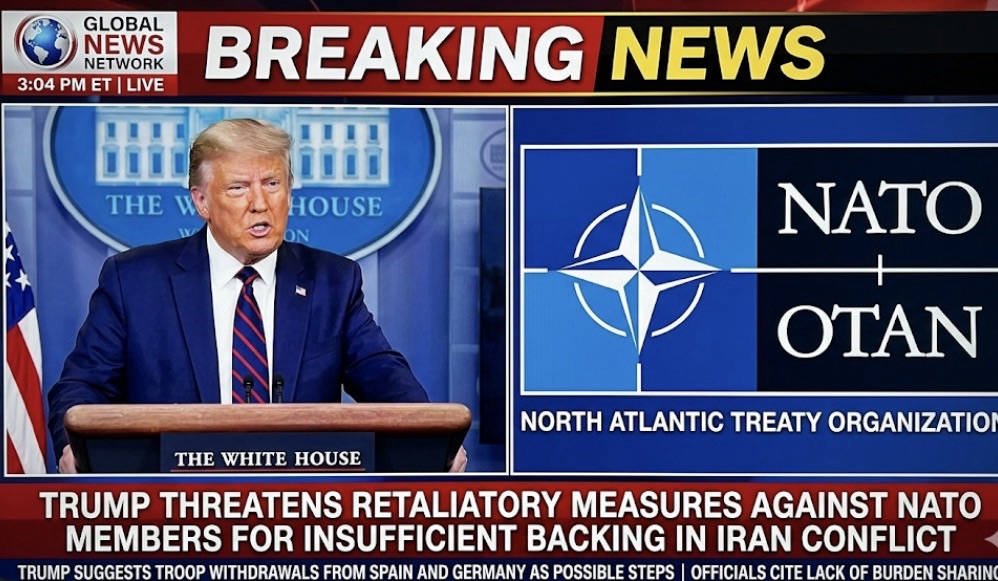
U.S. President Donald Trump has threatened retaliatory measures against several NATO allies, escalating tensions within the alliance as divisions deepen over the ongoing conflict with Iran. The warning comes amid growing frustration in Washington over what officials describe as insufficient support from key European partners.
According to U.S. defense and administration sources, the White House is weighing a range of responses targeting countries that have declined to fully back American military efforts. Among the options under consideration are potential troop withdrawals from Spain and Germany, both of which host significant numbers of U.S. forces and play central roles in NATO’s European posture.
The dispute centers on differing interpretations of NATO’s role in the Iran crisis. While the United States has sought broader allied participation in its military and strategic operations, several European nations have resisted, arguing that the alliance’s mandate is defensive and does not automatically extend to offensive actions outside NATO territory. Officials in Madrid and Berlin have emphasized the need for adherence to international law and multilateral decision-making before committing further support.
In response, Trump has publicly and privately criticized allied governments, accusing them of benefiting from U.S. security guarantees while failing to share the burden during times of crisis. Administration officials say the president views troop redeployments as both a strategic adjustment and a political signal, potentially shifting forces toward countries deemed more supportive of U.S. objectives.
Defense analysts note that any significant withdrawal of American troops from Germany or Spain would mark a major shift in the transatlantic security framework. U.S. bases in both countries serve as critical hubs for logistics, intelligence, and rapid deployment across Europe, the Middle East, and Africa. A reduction in presence could have ripple effects on NATO readiness and coordination.
European leaders, however, have pushed back against the threats. Several have reiterated their commitment to NATO while rejecting what they see as unilateral pressure tactics. Discussions have also intensified within the European Union about strengthening independent defense capabilities, reflecting concerns about long-term reliance on U.S. leadership.
Despite the heated rhetoric, experts caution that structural and legal constraints within NATO limit the scope of punitive actions Washington can take. The alliance’s founding treaty does not provide mechanisms for expelling members, and major strategic decisions typically require broad consensus.
Still, the standoff highlights a widening rift between the United States and its European allies at a time of heightened global instability. As the Iran conflict continues to unfold, the future cohesion of NATO—and the balance of transatlantic relations—faces renewed uncertainty.

Travis Kelce AND Taylor Swift ARE MARRIED! WEDDING CEREMONY CAPTIVATES FANS AND A-LISTERS ALIKE – Travis Kelce and Taylor Swift’s wedding is no longer a rumor. The couple officially tied the knot in a lavish ceremony that’s got the entire world talking!

Travis Kelce Caught Kissing Mystery Woman at His Bachelor Party at Bird Street — The Identity of the Woman Has Been Confirmed as Taylor’s Best…

A Surprise Homecoming: Jason and Travis Kelce have made a remarkable move that few expected. The NFL brothers recently purchased a modest house in Cleveland Heights, Ohio, close to where they were raised and first dreamed of football greatness. Rather than keeping it for themselves, they are turning the property into… see more.

BREAKING: Taylor Swift’s Divorced Parents, Andrea and Scott Swift, Remarry in a Private, Elegant Wedding — Travis Kelce Comforts Emotional Taylor as She Opens Up About the Pain She’s Carried Since Their Split… But Fans Are Left Stunned When She Announces What Many Have Suspected All Along: She’s Expecting… See More Photos

Stevie nicks and Tim McGraw set to perform at Taylor Swift and Travis Kelce’s wedding – which will be ‘bigger than the Met Gala’s. This is what we know 👇

Taylor Swift and Travis Kelce Reveal Plans for a Private Rehearsal Dinner Before Hosting an Epic 1,000-Guest Wedding Celebration

After weeks of speculation over Taylor Swift and Travis Kelce’s wedding plans, a permit has been filed for an event at Madison Square Garden over the July 4 weekend. Here’s what we know.

BREAKING: Serious Incident at the Mahomes Residence — Travis Kelce Faces Severe … After Deadly Dispute with Patrick Mahomes. Early this morning, police swarmed the home of football star Patrick Mahomes after a domestic dispute escalated into an unthinkable act of violence. Reports indicate that Travis Kelce has been confirmed…

OMG! TAYLOR IS MARRIED! You won’t believe the deeply emotional moment Taylor Swift walked down the aisle with her parents! The breathtaking custom dress, the bittersweet tears, and Travis waiting at the altar… it’s pure magic!

OMG! Travis Kelce and Taylor Swift Turn Heads at Met Gala 2026, Turning the Red Carpet into a Romantic Stage—but Fans Roast Their Outfits

New York Knicks Say They’ll be Declining White House Invitation from Donald Trump After NBA Championship Victory, Announce Massive Post-Parade Celebration Headlined by Taylor Swift
