
NFL
UK Signals Willingness to Join U.S.-Led Effort to Secure Strait of Hormuz, Raising Prospects of a Joint Operation to Protect Global Oil Shipping Amid Rising Regional Tensions

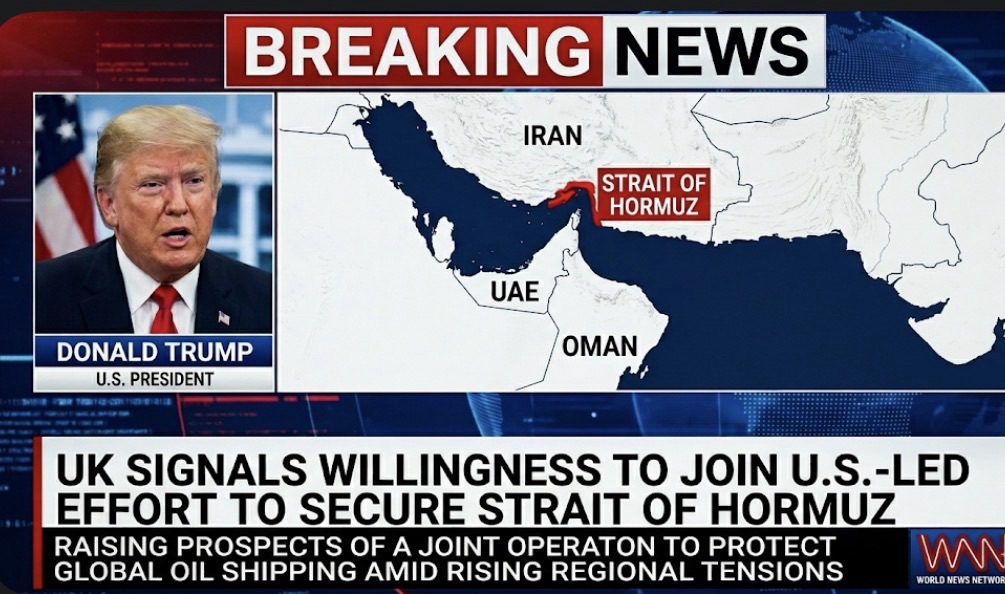
In a significant development amid rising tensions in the Middle East, the United Kingdom has indicated its willingness to participate in a U.S.-led initiative to secure the Strait of Hormuz, one of the world’s most critical maritime chokepoints for oil transport. A senior presidential adviser confirmed that London is prepared to collaborate with Washington to ensure the free flow of energy resources through the strategic waterway.
The announcement comes amid heightened concerns over Iran’s threats to close the Strait of Hormuz, through which nearly one-fifth of the world’s oil supply passes. Analysts warn that any disruption to shipping could trigger a global energy crisis, pushing oil prices higher and intensifying geopolitical instability.
“Britain has expressed readiness to support our efforts to secure international shipping lanes and protect global energy supply,” the adviser said, emphasizing that coordination between allies is critical in deterring potential threats.
While the U.S. has long maintained a military presence in the Persian Gulf to ensure the safe passage of commercial vessels, the potential involvement of the UK signals a deepening of transatlantic cooperation amid escalating tensions. London’s participation could include naval escorts, intelligence sharing, and joint operations designed to deter hostile actors from disrupting maritime traffic.
Experts suggest that a coordinated U.S.-UK approach could send a strong message to Iran and other regional actors about the international community’s commitment to freedom of navigation. “This is not only about protecting oil shipments,” said a Middle East security analyst. “It’s about asserting the rules of international law and maintaining stability in one of the world’s most sensitive regions.”
The announcement has drawn mixed reactions globally. While energy markets cautiously welcomed the move, concerns remain about the potential for confrontation and unintended escalation. Both Washington and London have reiterated that the operation would be defensive in nature, aimed at safeguarding shipping lanes rather than provoking military conflict.
As diplomatic efforts continue alongside military planning, attention will remain focused on the Strait of Hormuz, where any miscalculation could have far-reaching consequences for global trade and energy security.

Taylor Swift and Travis Kelce Celebrate Easter Alongside Jason Kelce, Kylie Kelce, Donna Kelce, and Ed Kelce

President Trump Blasts Leak That Transformed Secret Operation to Extract Injured U.S. Airman Deep Inside Iran Into a Much More Difficult and Perilous Mission, Pledging to Treat It as a Serious National Security Matter With Legal Consequences

U.S. Faces Major Setback in Iran as Another Fighter Jet Falls Despite President Trump’s Claims of Air Superiority, With Rescue Teams Scrambling to Locate Missing Pilot Amid Rising Regional Tensions

After More Than 30 Hours Behind Enemy Lines, Both U.S. F‑15E Pilots Are Rescued by Delta Force in a High-Risk Operation and Deliver Statements Alongside President Trump Praising Their Survival and the Bravery of American Forces

Donald Trump’s Health Takes Critical Turn; White House Issues Official Declaration to Congress Amid Escalating Concerns Over President’s Medical Emergency at Walter Reed

UK Signals Willingness to Join U.S.-Led Effort to Secure Strait of Hormuz, Raising Prospects of a Joint Operation to Protect Global Oil Shipping Amid Rising Regional Tensions

“Huge Win for Peace Through Strength with President Trump! US-Israel Strikes Take Out Iran’s Intelligence Chief Majid Khademi – Their Network is Being Dismantled Piece by Piece. What a Great Day for the World!”

BREAKING NEWS: Strait of Hormuz Reopens After U.S. Forces Execute Precision Strike on Iranian Mining Infrastructure, Eliminating Threat to Global Oil Supply

Iran Vows Swift and Decisive Retaliation Against Any US Strikes on Its Infrastructure as Foreign Ministry Brands Trump’s “Power Plant Day” Threats a “Criminal Mindset” and Public Incitement to War Crimes

“There Will Be Nothing Like It”: Trump Warns of Major Strikes on Iran’s Power Plants and Bridges if Hormuz Remains Closed Past Tuesday, Following F-15E Crew Rescue and Rising Oil Prices

Trump Exposes How Iranians Living Under the Islamic Republic’s Grip Are Rooting for U.S. Strikes to Finally Weaken the Regime, Pleading With America Not to Pull Out Mid-War and Risk Brutal Retaliation
