
NFL
International Alarm Grows as Iran Rejects Ceasefire Within 24 Hours, Reopening the Possibility of Conflict Centered on the Strait of Hormuz

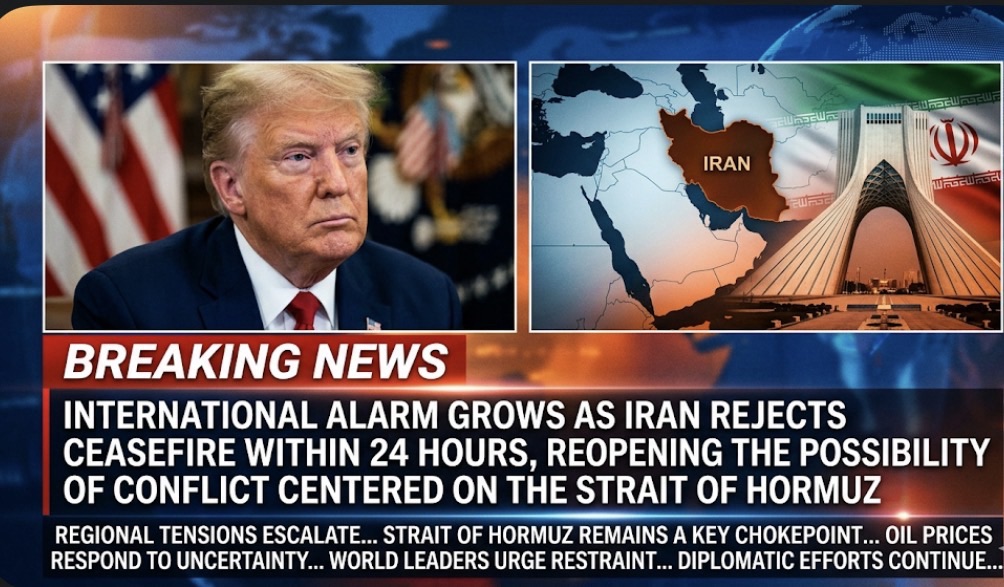
Global concern is mounting after a fragile ceasefire between the United States and Iran appeared to collapse in less than 24 hours, raising fears of renewed confrontation in one of the world’s most strategically vital waterways.
The temporary truce—brokered by Donald Trump and initially tied to the reopening of the Strait of Hormuz—was meant to pause weeks of escalating military conflict and restore stability to global energy markets. Under the agreement, both sides signaled a willingness to halt hostilities for a two-week period while negotiations toward a broader peace deal continued.
However, early optimism quickly gave way to uncertainty as Iranian officials reportedly rejected key aspects of the ceasefire framework, particularly provisions related to unrestricted maritime access through the strait. Tehran has consistently maintained that any vessel transiting the waterway must operate under its supervision, warning that unauthorized ships could face direct military action.
The Strait of Hormuz, a narrow passage connecting the Persian Gulf to global markets, handles roughly one-fifth of the world’s oil and gas supply. Even minor disruptions in the corridor can trigger significant volatility in global energy prices and supply chains.
Shipping companies and international stakeholders have responded cautiously to the rapidly shifting situation. Major global carriers remain hesitant to resume normal operations, citing a lack of clarity and continued security risks despite the brief ceasefire announcement. Industry analysts warn that maritime traffic remains far below normal levels, with hundreds of vessels still stranded or rerouted as tensions persist.
World leaders have expressed growing concern that the breakdown of the ceasefire could undo fragile diplomatic progress. European officials had earlier welcomed the truce as a “step back from the brink,” emphasizing the urgent need for a long-term resolution to avoid a wider regional conflict.
The collapse—or perceived weakening—of the agreement underscores deep mistrust between Washington and Tehran. Analysts note that while both sides publicly signaled openness to negotiation, fundamental disagreements over security guarantees, control of strategic routes, and the broader terms of peace remain unresolved.
Meanwhile, energy markets and global shipping networks are bracing for renewed instability. Experts warn that if tensions escalate further or if the Strait of Hormuz remains effectively restricted, the consequences could ripple far beyond the Middle East, impacting fuel prices, trade flows, and economic stability worldwide.
As of now, the situation remains fluid, with diplomats scrambling to salvage negotiations and prevent a return to full-scale confrontation in a region already on edge.

International Alarm Grows as Iran Rejects Ceasefire Within 24 Hours, Reopening the Possibility of Conflict Centered on the Strait of Hormuz

Critics Demand Immediate Clarification After Donald Trump Appears to Propose Joint Economic Control of the Strait of Hormuz Amid Ongoing Military Tensions

U.S. Lawmakers Demand Investigation Into Donald Trump’s Finances After Controversial Defense Stock Investment Allegations Linked to Iran War Surface

Russia’s President Vladimir Putin Issues Blunt Warning to Iran, Urging Leaders Not to Trust the United States or Donald Trump Despite Newly Announced Ceasefire Agreement

Iran Agrees to Immediate and Safe Reopening of the Vital Strait of Hormuz in Exchange for Two-Week US Strike Suspension—Trump’s Pressure Delivers Short-Term Relief, But Skeptics Warn It’s Merely a Tactical Pause, Not Defeat for Washington

In a Dramatic Diplomatic Development, Donald Trump Engages Kim Jong Un in a Secret Direct Call While Global Attention Fixes on the Strait of Hormuz Crisis and Fears of Escalation Grow

Donald Trump Reportedly Activates “Doomsday Plane” as U.S. Raises Nuclear Command Readiness Amid Intensifying Standoff With Iran

Trump Declares “Complete and Total Regime Change” in Iran as 47-Year Islamic Republic Faces Collapse Tonight

As Donald Trump’s Deadline for Reopening the Strait of Hormuz Approaches, Iran’s Deputy Sports Minister Calls on Youth, Athletes, Artists and Students to Form Symbolic Human Chains Around Power Plants to Protest Potential U.S. Strikes

Taylor Swift and Travis Kelce Celebrate Easter Alongside Jason Kelce, Kylie Kelce, Donna Kelce, and Ed Kelce

President Trump Blasts Leak That Transformed Secret Operation to Extract Injured U.S. Airman Deep Inside Iran Into a Much More Difficult and Perilous Mission, Pledging to Treat It as a Serious National Security Matter With Legal Consequences
