
NFL
International Alarm Grows as Iran Rejects Ceasefire Within 24 Hours, Reopening the Possibility of Conflict Centered on the Strait of Hormuz

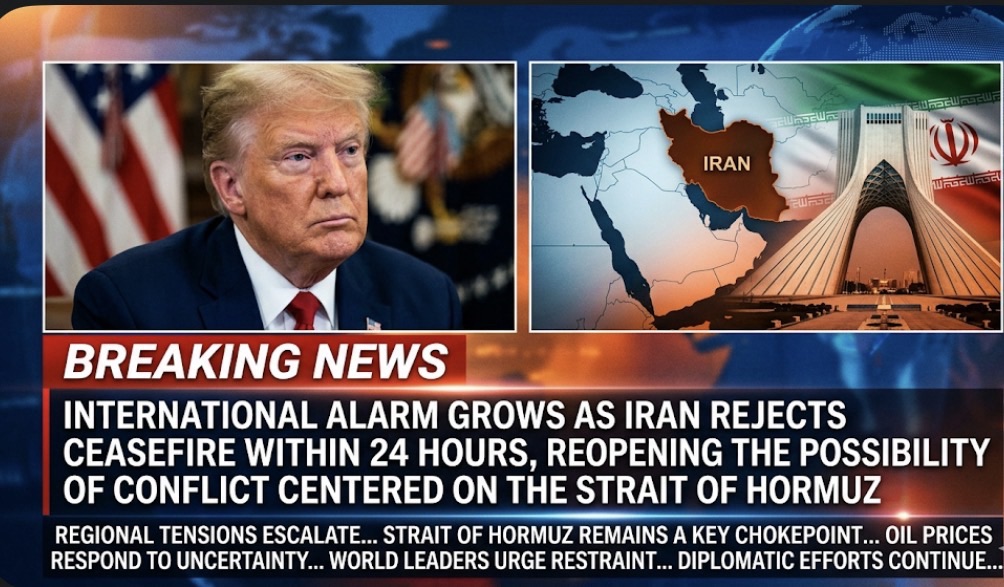
Global concern is mounting after a fragile ceasefire between the United States and Iran appeared to collapse in less than 24 hours, raising fears of renewed confrontation in one of the world’s most strategically vital waterways.
The temporary truce—brokered by Donald Trump and initially tied to the reopening of the Strait of Hormuz—was meant to pause weeks of escalating military conflict and restore stability to global energy markets. Under the agreement, both sides signaled a willingness to halt hostilities for a two-week period while negotiations toward a broader peace deal continued.
However, early optimism quickly gave way to uncertainty as Iranian officials reportedly rejected key aspects of the ceasefire framework, particularly provisions related to unrestricted maritime access through the strait. Tehran has consistently maintained that any vessel transiting the waterway must operate under its supervision, warning that unauthorized ships could face direct military action.
The Strait of Hormuz, a narrow passage connecting the Persian Gulf to global markets, handles roughly one-fifth of the world’s oil and gas supply. Even minor disruptions in the corridor can trigger significant volatility in global energy prices and supply chains.
Shipping companies and international stakeholders have responded cautiously to the rapidly shifting situation. Major global carriers remain hesitant to resume normal operations, citing a lack of clarity and continued security risks despite the brief ceasefire announcement. Industry analysts warn that maritime traffic remains far below normal levels, with hundreds of vessels still stranded or rerouted as tensions persist.
World leaders have expressed growing concern that the breakdown of the ceasefire could undo fragile diplomatic progress. European officials had earlier welcomed the truce as a “step back from the brink,” emphasizing the urgent need for a long-term resolution to avoid a wider regional conflict.
The collapse—or perceived weakening—of the agreement underscores deep mistrust between Washington and Tehran. Analysts note that while both sides publicly signaled openness to negotiation, fundamental disagreements over security guarantees, control of strategic routes, and the broader terms of peace remain unresolved.
Meanwhile, energy markets and global shipping networks are bracing for renewed instability. Experts warn that if tensions escalate further or if the Strait of Hormuz remains effectively restricted, the consequences could ripple far beyond the Middle East, impacting fuel prices, trade flows, and economic stability worldwide.
As of now, the situation remains fluid, with diplomats scrambling to salvage negotiations and prevent a return to full-scale confrontation in a region already on edge.

Travis Kelce AND Taylor Swift ARE MARRIED! WEDDING CEREMONY CAPTIVATES FANS AND A-LISTERS ALIKE – Travis Kelce and Taylor Swift’s wedding is no longer a rumor. The couple officially tied the knot in a lavish ceremony that’s got the entire world talking!

Travis Kelce Caught Kissing Mystery Woman at His Bachelor Party at Bird Street — The Identity of the Woman Has Been Confirmed as Taylor’s Best…

A Surprise Homecoming: Jason and Travis Kelce have made a remarkable move that few expected. The NFL brothers recently purchased a modest house in Cleveland Heights, Ohio, close to where they were raised and first dreamed of football greatness. Rather than keeping it for themselves, they are turning the property into… see more.

BREAKING: Taylor Swift’s Divorced Parents, Andrea and Scott Swift, Remarry in a Private, Elegant Wedding — Travis Kelce Comforts Emotional Taylor as She Opens Up About the Pain She’s Carried Since Their Split… But Fans Are Left Stunned When She Announces What Many Have Suspected All Along: She’s Expecting… See More Photos

Stevie nicks and Tim McGraw set to perform at Taylor Swift and Travis Kelce’s wedding – which will be ‘bigger than the Met Gala’s. This is what we know 👇

Taylor Swift and Travis Kelce Reveal Plans for a Private Rehearsal Dinner Before Hosting an Epic 1,000-Guest Wedding Celebration

After weeks of speculation over Taylor Swift and Travis Kelce’s wedding plans, a permit has been filed for an event at Madison Square Garden over the July 4 weekend. Here’s what we know.

BREAKING: Serious Incident at the Mahomes Residence — Travis Kelce Faces Severe … After Deadly Dispute with Patrick Mahomes. Early this morning, police swarmed the home of football star Patrick Mahomes after a domestic dispute escalated into an unthinkable act of violence. Reports indicate that Travis Kelce has been confirmed…

OMG! TAYLOR IS MARRIED! You won’t believe the deeply emotional moment Taylor Swift walked down the aisle with her parents! The breathtaking custom dress, the bittersweet tears, and Travis waiting at the altar… it’s pure magic!

OMG! Travis Kelce and Taylor Swift Turn Heads at Met Gala 2026, Turning the Red Carpet into a Romantic Stage—but Fans Roast Their Outfits

New York Knicks Say They’ll be Declining White House Invitation from Donald Trump After NBA Championship Victory, Announce Massive Post-Parade Celebration Headlined by Taylor Swift
