
NFL
Trump Exposes How Iranians Living Under the Islamic Republic’s Grip Are Rooting for U.S. Strikes to Finally Weaken the Regime, Pleading With America Not to Pull Out Mid-War and Risk Brutal Retaliation

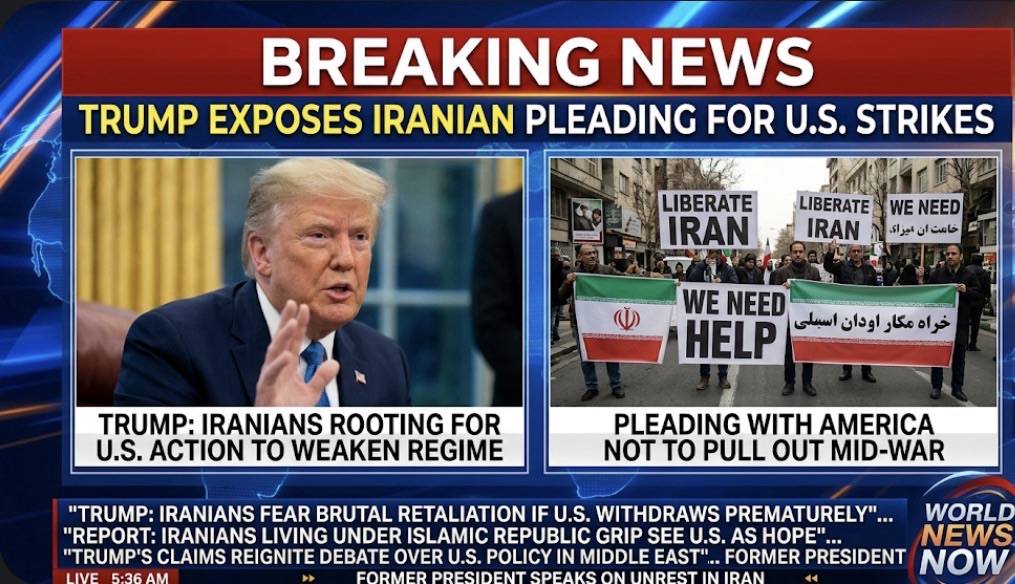
In a forceful and highly controversial statement, Donald Trump has claimed that many ordinary citizens inside Iran are quietly supporting ongoing U.S. military strikes, hoping they will weaken the ruling Islamic Republic and potentially open the door to change.
According to Trump, internal sentiment within Iran is far more complex than what is publicly visible. He described a population “living in fear” under the government, yet increasingly desperate for outside pressure to disrupt what he characterized as a deeply entrenched and repressive system. Speaking in the context of escalating conflict, Trump suggested that anti-regime Iranians are not only aware of the risks but are actively urging the United States to remain engaged.
“They are afraid we’re going to leave in the middle of the war,” Trump said, emphasizing that many fear a sudden U.S. withdrawal could leave them exposed to severe retaliation by authorities. He portrayed these individuals as caught in a dangerous position—hoping for regime weakening through external force, while simultaneously bracing for internal crackdowns.
The remarks come amid intensified U.S. strikes targeting strategic and military-linked sites across Iran, part of a broader confrontation that has raised tensions across the region. While official Iranian sources have condemned the attacks and projected national unity, Trump’s comments suggest a different narrative—one of internal dissent and quiet support for foreign intervention.
However, analysts caution that such claims are difficult to verify independently. Iran maintains strict control over media and communication channels, making it challenging to accurately gauge public opinion. While there have been documented protests and unrest in recent years, the extent to which the broader population supports foreign military action remains unclear and widely debated.
Critics of Trump’s stance argue that framing U.S. military action as something welcomed by civilians could oversimplify a highly complex reality. Many warn that even those opposed to the government may not support external strikes, particularly given the potential for civilian casualties and long-term instability.
Supporters, on the other hand, view Trump’s comments as an acknowledgment of longstanding internal resistance within Iran. They argue that sustained pressure could embolden opposition groups and weaken the government’s grip on power.
As the conflict continues, the question of how ordinary Iranians perceive the situation remains central—and deeply uncertain. What is clear is that the stakes are rising, both for those inside Iran and for the broader geopolitical landscape, as the possibility of prolonged confrontation looms.

Travis Kelce AND Taylor Swift ARE MARRIED! WEDDING CEREMONY CAPTIVATES FANS AND A-LISTERS ALIKE – Travis Kelce and Taylor Swift’s wedding is no longer a rumor. The couple officially tied the knot in a lavish ceremony that’s got the entire world talking!

Travis Kelce Caught Kissing Mystery Woman at His Bachelor Party at Bird Street — The Identity of the Woman Has Been Confirmed as Taylor’s Best…

A Surprise Homecoming: Jason and Travis Kelce have made a remarkable move that few expected. The NFL brothers recently purchased a modest house in Cleveland Heights, Ohio, close to where they were raised and first dreamed of football greatness. Rather than keeping it for themselves, they are turning the property into… see more.

BREAKING: Taylor Swift’s Divorced Parents, Andrea and Scott Swift, Remarry in a Private, Elegant Wedding — Travis Kelce Comforts Emotional Taylor as She Opens Up About the Pain She’s Carried Since Their Split… But Fans Are Left Stunned When She Announces What Many Have Suspected All Along: She’s Expecting… See More Photos

Stevie nicks and Tim McGraw set to perform at Taylor Swift and Travis Kelce’s wedding – which will be ‘bigger than the Met Gala’s. This is what we know 👇

Taylor Swift and Travis Kelce Reveal Plans for a Private Rehearsal Dinner Before Hosting an Epic 1,000-Guest Wedding Celebration

After weeks of speculation over Taylor Swift and Travis Kelce’s wedding plans, a permit has been filed for an event at Madison Square Garden over the July 4 weekend. Here’s what we know.

BREAKING: Serious Incident at the Mahomes Residence — Travis Kelce Faces Severe … After Deadly Dispute with Patrick Mahomes. Early this morning, police swarmed the home of football star Patrick Mahomes after a domestic dispute escalated into an unthinkable act of violence. Reports indicate that Travis Kelce has been confirmed…

OMG! TAYLOR IS MARRIED! You won’t believe the deeply emotional moment Taylor Swift walked down the aisle with her parents! The breathtaking custom dress, the bittersweet tears, and Travis waiting at the altar… it’s pure magic!

OMG! Travis Kelce and Taylor Swift Turn Heads at Met Gala 2026, Turning the Red Carpet into a Romantic Stage—but Fans Roast Their Outfits

New York Knicks Say They’ll be Declining White House Invitation from Donald Trump After NBA Championship Victory, Announce Massive Post-Parade Celebration Headlined by Taylor Swift
