
NFL
US-Iran Ceasefire Enters Second Day With Minimal Hormuz Shipping Traffic Despite Trump’s Ultimatum for Immediate Flow and Warnings Against Iranian Tolls

The ceasefire between the United States and Iran has entered its second day, but maritime traffic through the strategically vital Strait of Hormuz remains significantly reduced, raising concerns about the durability of the fragile agreement and its economic impact.
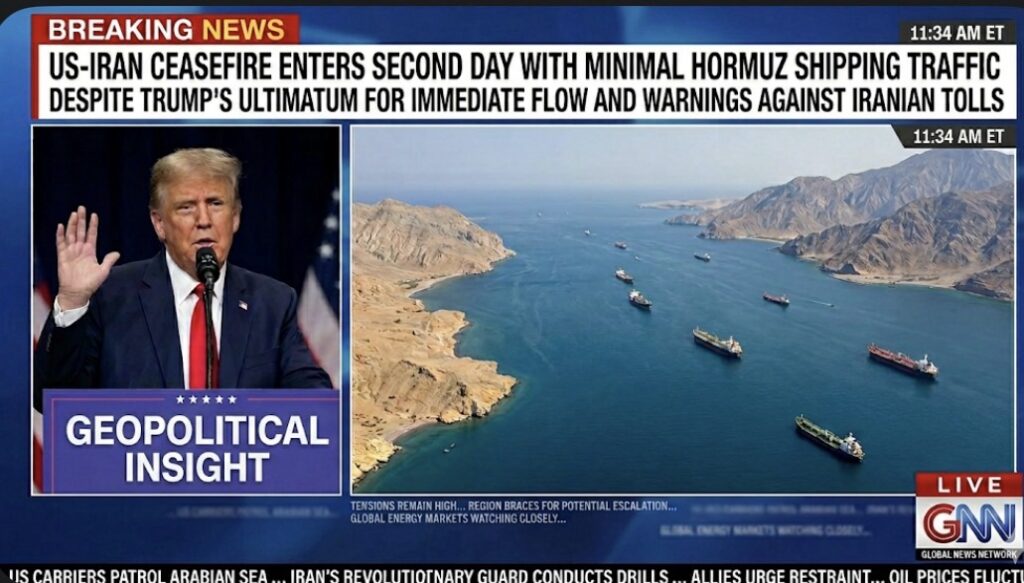
Despite strong pressure from Donald Trump for an immediate resumption of normal shipping, only a limited number of vessels have passed through the narrow waterway. The strait, which typically handles a substantial portion of the world’s oil shipments, is still operating far below normal levels, with many tankers waiting on either side for clearer security assurances.
Iranian authorities have maintained tight control over access to the waterway, requiring ships to follow designated routes and coordinate movements under supervision. The cautious approach comes amid lingering concerns about naval threats, including the possibility of mines and renewed military escalation if the ceasefire collapses.
Tensions have also been fueled by reports that Iran may consider imposing tolls on vessels transiting the strait, a move widely criticized by international observers as a potential violation of maritime norms. The proposal has drawn sharp warnings from Washington, with Trump emphasizing that unrestricted navigation is a key condition of the ceasefire.
The slow return of shipping activity has had immediate implications for global energy markets. Oil prices remain elevated as uncertainty continues to surround the safety and reliability of one of the world’s most important energy corridors. Shipping companies and insurers have also remained cautious, delaying full operations until clearer guarantees are in place.
While both sides have so far avoided direct violations of the ceasefire, the lack of progress in restoring normal maritime flow highlights the challenges ahead. Analysts warn that without rapid confidence-building measures and clearer agreements on navigation rights, the current situation could prolong disruptions and increase the risk of renewed confrontation.
US-Iran Ceasefire Enters Second Day With Minimal Hormuz Shipping Traffic Despite Trump’s Ultimatum for Immediate Flow and Warnings Against Iranian Tolls

President Trump Expresses Strong Optimism for Reaching a Comprehensive Peace Deal with Iran, Revealing That Iranian Leaders Appear Far More Reasonable in Private Meetings Than in Their Public Statements to the Press

“None of These People Understood Anything Without Pressure”: Donald Trump Slams NATO Allies as Weak and Unresponsive Amid Rising Global Tensions

Confusion and Concern Grow as Relatives of Missing F-15E Pilot Report No Communication Following Rescue Announcement by Donald Trump, Allege Pressure to Stay Silent

Trump Urges NATO Allies to Quickly Submit Concrete Plans for Securing Safe Navigation Through the Strait of Hormuz Following Fragile Ceasefire with Iran

UK Prime Minister Keir Starmer Calls on Donald Trump to Ensure Full and Credible Ceasefire Implementation, Warning That Ongoing Violence in Lebanon Could Undermine Fragile Regional Truce

Trump Administration Considers Closing US Military Bases in Spain or Germany and Repositioning Troops to More Cooperative NATO Allies Like Poland, Romania, Lithuania, and Greece Over Limited Support During the Recent Iran War

International Alarm Grows as Iran Rejects Ceasefire Within 24 Hours, Reopening the Possibility of Conflict Centered on the Strait of Hormuz

Critics Demand Immediate Clarification After Donald Trump Appears to Propose Joint Economic Control of the Strait of Hormuz Amid Ongoing Military Tensions

U.S. Lawmakers Demand Investigation Into Donald Trump’s Finances After Controversial Defense Stock Investment Allegations Linked to Iran War Surface

Russia’s President Vladimir Putin Issues Blunt Warning to Iran, Urging Leaders Not to Trust the United States or Donald Trump Despite Newly Announced Ceasefire Agreement
