
NFL
Trump Urges NATO Allies to Quickly Submit Concrete Plans for Securing Safe Navigation Through the Strait of Hormuz Following Fragile Ceasefire with Iran

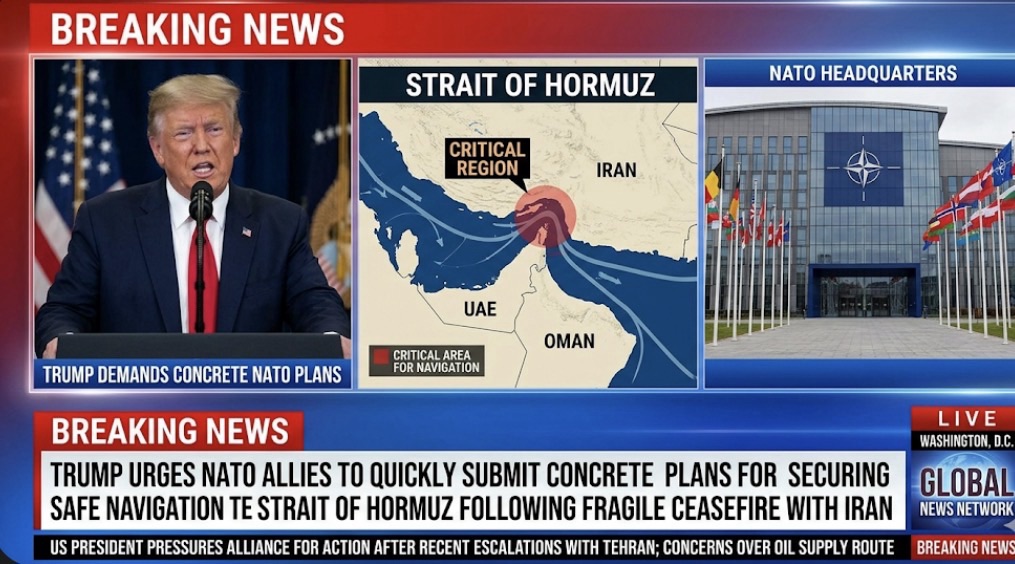
Donald Trump has urged NATO allies to quickly submit concrete plans for securing safe navigation through the Strait of Hormuz, as a fragile ceasefire with Iran enters a critical stage.
Speaking amid ongoing tensions, Trump emphasized the strategic importance of the waterway, which serves as a key route for global energy supplies and international trade. He called on member states of NATO to take a more active role in ensuring that commercial shipping can move safely through the region without disruption.
The request follows a recently agreed ceasefire between the United States and Iran, which includes efforts to stabilize maritime activity in the Gulf. While the agreement has led to a temporary reduction in hostilities, concerns remain about its durability, particularly as broader regional tensions continue.
Trump has reportedly expressed dissatisfaction with what he sees as limited support from some NATO partners during the recent escalation. He is now pushing for a coordinated multinational approach that could include naval patrols, escort operations for tankers, and enhanced surveillance to deter potential threats.
The Strait of Hormuz remains one of the most strategically sensitive chokepoints in the world, with a significant portion of global oil shipments passing through it daily. Any disruption to traffic in the area has the potential to impact energy markets and global economic stability.
Allied nations have responded cautiously, with some governments weighing the risks of deeper involvement in a volatile region. Officials have indicated that discussions are ongoing regarding the scope and structure of any joint maritime security effort.
As diplomatic engagement continues, the coming days are expected to be crucial in determining whether NATO allies can agree on a unified plan. The effectiveness of the ceasefire, as well as the broader goal of maintaining stability in the region, may depend on how quickly and decisively those measures are implemented.

Trump Urges NATO Allies to Quickly Submit Concrete Plans for Securing Safe Navigation Through the Strait of Hormuz Following Fragile Ceasefire with Iran

UK Prime Minister Keir Starmer Calls on Donald Trump to Ensure Full and Credible Ceasefire Implementation, Warning That Ongoing Violence in Lebanon Could Undermine Fragile Regional Truce

Trump Administration Considers Closing US Military Bases in Spain or Germany and Repositioning Troops to More Cooperative NATO Allies Like Poland, Romania, Lithuania, and Greece Over Limited Support During the Recent Iran War

International Alarm Grows as Iran Rejects Ceasefire Within 24 Hours, Reopening the Possibility of Conflict Centered on the Strait of Hormuz

Critics Demand Immediate Clarification After Donald Trump Appears to Propose Joint Economic Control of the Strait of Hormuz Amid Ongoing Military Tensions

U.S. Lawmakers Demand Investigation Into Donald Trump’s Finances After Controversial Defense Stock Investment Allegations Linked to Iran War Surface

Russia’s President Vladimir Putin Issues Blunt Warning to Iran, Urging Leaders Not to Trust the United States or Donald Trump Despite Newly Announced Ceasefire Agreement

Iran Agrees to Immediate and Safe Reopening of the Vital Strait of Hormuz in Exchange for Two-Week US Strike Suspension—Trump’s Pressure Delivers Short-Term Relief, But Skeptics Warn It’s Merely a Tactical Pause, Not Defeat for Washington

In a Dramatic Diplomatic Development, Donald Trump Engages Kim Jong Un in a Secret Direct Call While Global Attention Fixes on the Strait of Hormuz Crisis and Fears of Escalation Grow

Donald Trump Reportedly Activates “Doomsday Plane” as U.S. Raises Nuclear Command Readiness Amid Intensifying Standoff With Iran

Trump Declares “Complete and Total Regime Change” in Iran as 47-Year Islamic Republic Faces Collapse Tonight
