
NFL
Trump Threatens China Over Alleged Iran Arms Deal While U.S.-Iran Negotiations Falter in Pakistan

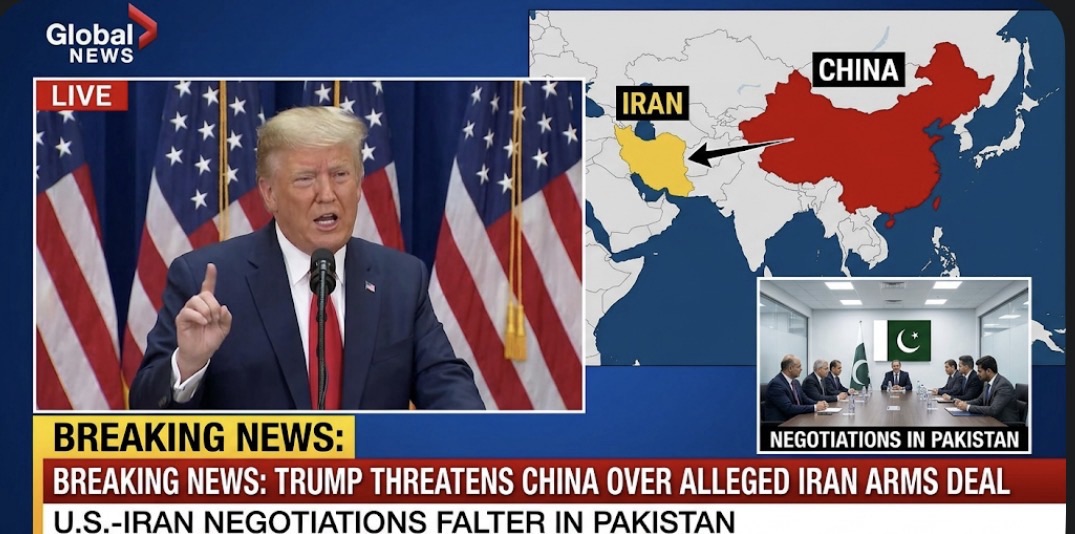
Tensions between the United States, China, and Iran have escalated sharply following reports that Beijing may be preparing to supply advanced weapons to Tehran, even as fragile diplomatic efforts between Washington and Tehran show little progress.
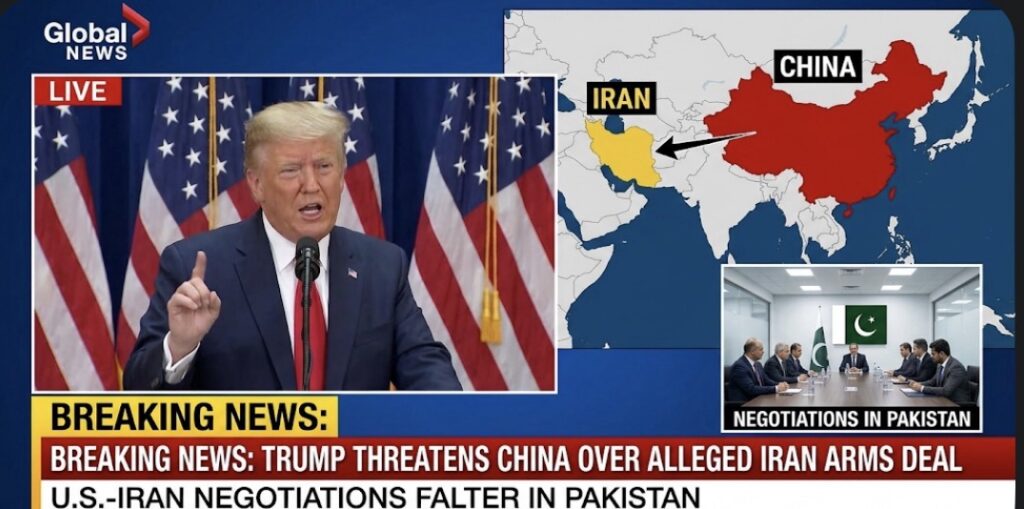
U.S. President Donald Trump issued a stern warning to China, saying the country would face “big problems” if it proceeds with plans to deliver shoulder-fired anti-aircraft missile systems to Iran. The warning comes amid intelligence reports suggesting that such weapons—commonly known as MANPADS—could be transferred within weeks, potentially increasing risks to U.S. military aircraft operating in the region.
China has denied the allegations, calling them unfounded and reiterating its position against involvement in active conflict zones. However, concerns persist in Washington that any such transfer could significantly shift the balance on the ground and further complicate an already volatile situation.
The warning coincides with the apparent breakdown of high-stakes negotiations between the United States and Iran in Islamabad, Pakistan. The talks, which lasted more than 20 hours, ended without an agreement, highlighting deep divisions between the two sides.
U.S. officials had hoped the discussions would extend a fragile ceasefire and lay the groundwork for a broader agreement. Instead, both sides emerged with starkly different narratives. American officials described the talks as serious but inconclusive, while Iranian authorities accused Washington of making excessive and unrealistic demands.
The collapse of the negotiations has raised fears of renewed escalation in the region, particularly as military tensions remain high and global powers become increasingly entangled. Analysts warn that any confirmed arms transfer from China to Iran could further strain U.S.-China relations and heighten the risk of a broader geopolitical confrontation.
Pakistan, which has been acting as a mediator in the talks, now faces growing scrutiny over its role as diplomatic efforts stall. Questions are also emerging about whether meaningful dialogue can continue under current conditions.
With diplomacy faltering and rhetoric intensifying, the coming weeks are likely to prove critical in determining whether the situation moves toward renewed conflict or a return to negotiations.

Ceasefire at Risk as Talks Collapse: Vance Reveals Iran Rejected U.S. Terms After 21 Hours of Negotiations

Trump Threatens China Over Alleged Iran Arms Deal While U.S.-Iran Negotiations Falter in Pakistan

U.S. Navy Warships Successfully Reenter Strait of Hormuz for the First Time Since Recent Conflict, Launching Critical Operation to Clear Iranian Sea Mines

Iran Rejects Trump Administration’s Final Best Offer on Nuclear Program as VP JD Vance Returns Empty-Handed from High-Stakes Islamabad Peace Talks

JD Vance Declares U.S. Position Firm in Pakistan: Iran Must Provide Affirmative Commitment to Abandon Nuclear Weapons and Eliminate Rapid Breakout Capabilities

Taylor Swift and Travis Kelce Reportedly Set New Wedding Date as Guests Sign Strict NDAs for Mystery NYC Venue

Taylor Swift’s Inner Circle Prepares Special Wedding Day Surprise for Her and Travis Kelce

Travis Kelce Takes Break on Golf Trip Days After Public Debut with Taylor Swift

Taylor Swift & Travis Kelce Set Wedding Plans in Motion with Invitations

In an Emotional and Heartbreaking Announcement, Kansas City Chiefs head Coach Andy Reid Confirms Divorce from Wife Tammy Reid After 41 Years of Marriage, Saying “It’s Painful, But We Have To”

Donna Kelce Weds boyfriend Adam Scott in Elegant Ceremony as Sons Travis Kelce and Jason Kelce Share Emotional Moment; Ex-Husband Ed Kelce and Taylor Swift Absent
