
CELEBRITY
The Republican ship is SINKING. 4 GOP Senators and 23 GOP Reps announced they will NOT seek re-election in 2026.

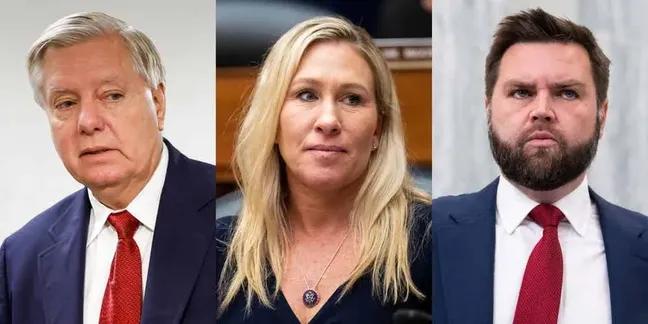
As the 2026 election cycle fast approaches, the tide of retirements — particularly among Republicans — is reshaping the political landscape in Washington, DC. A growing exodus from Congress is fueling speculation that the party may struggle to maintain its grip on power.
⚠️ Record-Breaking Exodus from Capitol Hill
According to a recent tally, a total of 45 members of Congress — 8 senators and 37 House members — have already announced they will not run for re-election in 2026.
Among those, Republicans account for a significant share: 4 GOP senators and 22–23 GOP House representatives.
The wave of departures is the largest at this stage of an election cycle since 2018.
What’s Behind the Departures
Political analysts cite several contributing factors:
Uncertainty and fatigue: With a fraught political environment, some lawmakers may be opting out rather than endure another grueling campaign or term.
A shifting landscape: Many Republicans are seeking other offices — governor, Senate, or attorney general — rather than simply retiring, indicating political ambitions beyond their current seats.
Weakening incumbency advantage: Open seats tend to be tougher to defend, especially in competitive districts, which many of these Republicans represent.
️ Could This Mean Big Losses for GOP in 2026?
Yes. The combination of so many departures — especially among incumbents — could handicap the GOP:
Open seats often lead to more competitive races, making it harder for Republicans to hold the House, particularly given that many retiring members are from districts that might now be targetable by Democrats.
Loss of senior lawmakers also means less institutional knowledge and fewer experienced members occupying key committee seats once the new Congress convenes.
Observers suggest that this could set up one of the most competitive midterm cycles in recent memory for Republicans — possibly jeopardizing their majority.
The Bigger Picture: What It Signals About the Party
The high number of GOP retirements reflects internal turmoil and uncertainty within the party — perhaps a lack of confidence in their prospects heading into the 2026 cycle.
It also suggests an appetite for change, or at least a recognition among many lawmakers that the current political climate carries greater electoral risk.
For Republicans, this could mark a turning point: whether they regroup and renew — or cede ground to Democrats — may depend on how they handle this transition period.
What Comes Next
Expect competitive primaries in many Republican-held districts as new contenders vie for open seats.
Democrats and independent challengers may see this as an opportunity to flip districts long held by Republicans.
National political attention will focus on whether the GOP can hold its majority — or if this wave of retirements signals the beginning of a larger shift in Congress.

Taylor Swift Steps Out in New York City With Kylie Kelce and Jason Kelce, Raising Eyebrows as NFL Star Travis Kelce Is Conspicuously Absent From the Trio’s High-Profile Outing
Donald Trump Escalates Iran War Rhetoric With Nuclear Threat Warning as Intelligence Reveals Tehran Still Retains Significant Missile Arsenal Despite Weeks of Relentless U.S.-Israeli Strikes

The Supreme Court of the United States Faces a Defining Moment as It Prepares to Rule on the Legality of Mass Military Leadership Purges Carried Out by Pete Hegseth, Amid Explosive Claims That Top Generals Were Fired for Defying Donald Trump’s Strategic Directives in a Deepening Iran War

Wartime Power Struggle Erupts as Pete Hegseth Reportedly Fires Over a Dozen Top Generals, Including the Heads of the Navy and Air Force, After They Allegedly Refuse to Follow Orders Tied to Donald Trump

Trump Declares “Time Is Up” for Pam Bondi as Attorney General Moves to Release Iranian-Hacked Jeffrey Epstein Files Previously Blocked From Public Circulation, Raising Questions About Power Struggles and Political Retaliation

Taylor Swift Spotted Stepping Out in New York City With Kylie Kelce and Jason Kelce, Sparking Rumors as Travis Kelce Is Noticeably Absent From the Outing

Taylor Swift Spotted Stepping Out in New York City With Kylie Kelce and Jason Kelce, Sparking Rumors as Travis Kelce Is Noticeably Absent From the Outing

From “War Is Over” to Mobilization: Trump Orders Immediate Deployment of Ground Troops and Signals New Strikes Against Iran, Leaving Global Leaders Questioning U.S. Strategy

Supreme Court Tensions Boil Over as Trump Targets Justice Jackson With Impeachment Call Following “Bizarre Tangent” Controversy

U.S. Lawmakers Call for Sweeping Investigation Into Donald Trump’s Financial Records Amid Allegations of Attempted Defense Stock Investments Before Iran War Broke Out

Trump Addresses Nation on Ongoing Iran War: Claims Strategic Objectives Nearly Met, Announces Intensified Military Action for Next Two to Three Weeks Despite No Firm End Date
