
NFL
“None of These People Understood Anything Without Pressure”: Donald Trump Slams NATO Allies as Weak and Unresponsive Amid Rising Global Tensions

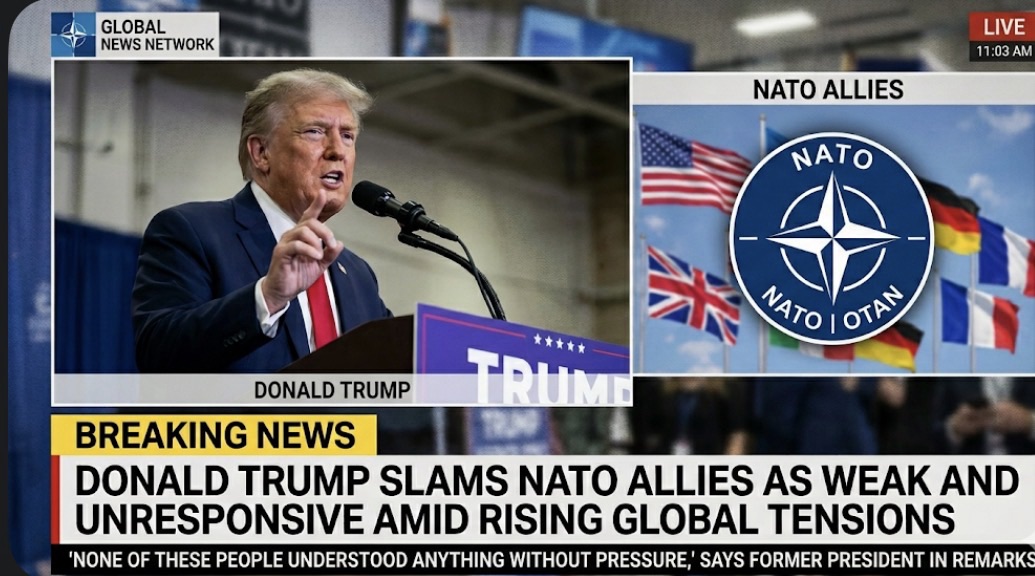
In a sharply worded critique of Western leadership, Donald Trump has accused NATO allies of failing to act decisively in the face of mounting global instability, arguing that meaningful responses only emerge when significant pressure is applied.
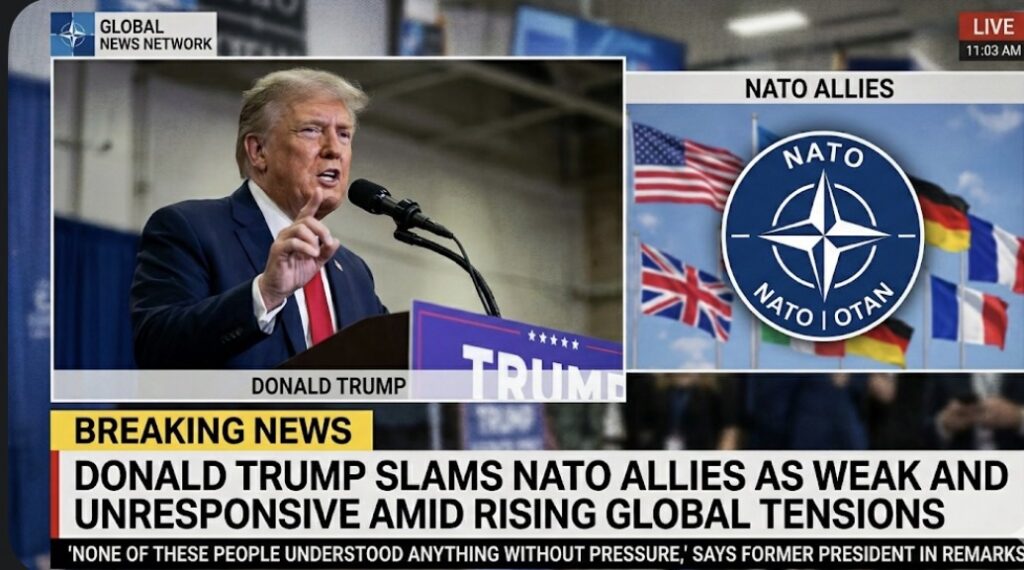
Speaking amid heightened geopolitical tensions, Trump described the alliance’s approach as reactive and insufficient, claiming that many member states lacked both urgency and clarity in addressing rapidly evolving crises. “None of these people, including our own, understood anything unless they have pressure placed upon them,” Trump said, framing his remarks as a broader indictment of international coordination and leadership.
His comments reflect a longstanding skepticism toward NATO, which he has repeatedly criticized for what he views as an overreliance on the United States and a failure by other member nations to meet defense commitments. Trump’s latest remarks go further, suggesting that not only are allies underperforming, but that they are fundamentally incapable of responding effectively without external force or coercion.
The criticism comes at a time when global tensions remain high, with ongoing concerns surrounding security in key strategic regions and questions about the durability of alliances under stress. While Trump did not point to a single event, his remarks appear to draw on broader frustrations with how Western powers have handled recent conflicts and diplomatic challenges.
Analysts note that such rhetoric may resonate with segments of the public who favor a more assertive and unilateral approach to foreign policy. Trump’s emphasis on “pressure” aligns with his past strategies, which often relied on economic sanctions, military posturing, and direct demands to compel action from both allies and adversaries.
However, critics argue that this approach risks undermining trust within alliances that depend on cooperation and mutual respect. Diplomats and foreign policy experts have long warned that public rebukes of allies can weaken unity at a time when cohesion is critical.
Within the United States, Trump’s comments are also likely to reignite debate over the country’s role in global leadership and its commitments to collective defense. By including American leadership in his criticism—“including our own”—Trump signaled dissatisfaction not just with international partners, but with the broader strategic direction of Western policy.
As geopolitical uncertainty continues to grow, Trump’s remarks underscore a fundamental divide in how global challenges should be addressed: through sustained multilateral cooperation, or through the application of pressure to force outcomes. The debate is unlikely to subside anytime soon, particularly as political leaders and voters grapple with an increasingly complex and volatile international landscape.

“None of These People Understood Anything Without Pressure”: Donald Trump Slams NATO Allies as Weak and Unresponsive Amid Rising Global Tensions

Confusion and Concern Grow as Relatives of Missing F-15E Pilot Report No Communication Following Rescue Announcement by Donald Trump, Allege Pressure to Stay Silent

Trump Urges NATO Allies to Quickly Submit Concrete Plans for Securing Safe Navigation Through the Strait of Hormuz Following Fragile Ceasefire with Iran

UK Prime Minister Keir Starmer Calls on Donald Trump to Ensure Full and Credible Ceasefire Implementation, Warning That Ongoing Violence in Lebanon Could Undermine Fragile Regional Truce

Trump Administration Considers Closing US Military Bases in Spain or Germany and Repositioning Troops to More Cooperative NATO Allies Like Poland, Romania, Lithuania, and Greece Over Limited Support During the Recent Iran War

International Alarm Grows as Iran Rejects Ceasefire Within 24 Hours, Reopening the Possibility of Conflict Centered on the Strait of Hormuz

Critics Demand Immediate Clarification After Donald Trump Appears to Propose Joint Economic Control of the Strait of Hormuz Amid Ongoing Military Tensions

U.S. Lawmakers Demand Investigation Into Donald Trump’s Finances After Controversial Defense Stock Investment Allegations Linked to Iran War Surface

Russia’s President Vladimir Putin Issues Blunt Warning to Iran, Urging Leaders Not to Trust the United States or Donald Trump Despite Newly Announced Ceasefire Agreement

Iran Agrees to Immediate and Safe Reopening of the Vital Strait of Hormuz in Exchange for Two-Week US Strike Suspension—Trump’s Pressure Delivers Short-Term Relief, But Skeptics Warn It’s Merely a Tactical Pause, Not Defeat for Washington

In a Dramatic Diplomatic Development, Donald Trump Engages Kim Jong Un in a Secret Direct Call While Global Attention Fixes on the Strait of Hormuz Crisis and Fears of Escalation Grow
