
NFL
Iran–Russia War Coalition Shakes Global Order as Leaders Move to Challenge Trump’s Strait of Hormuz Strategy

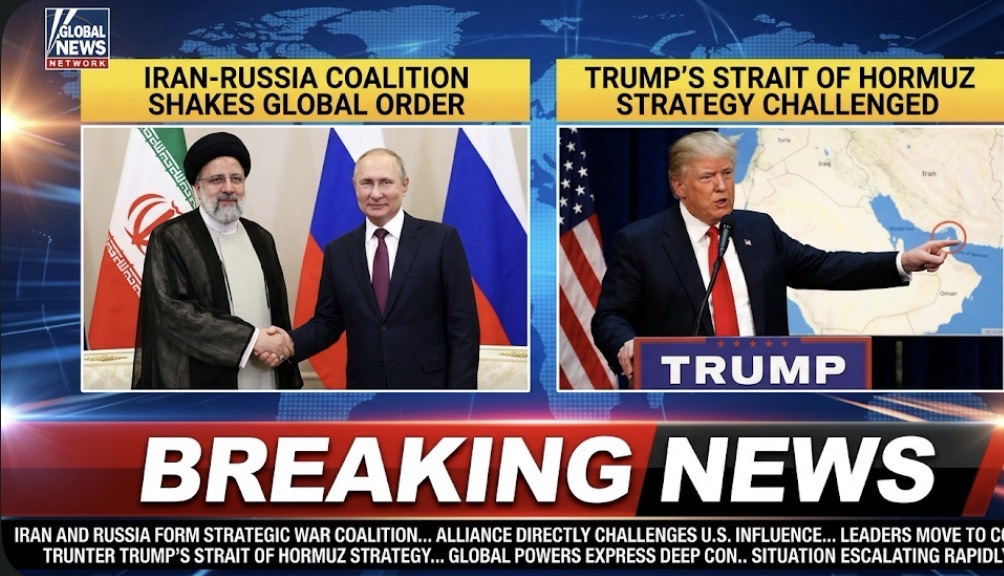
A dramatic shift in global geopolitics is unfolding as tensions escalate around the Strait of Hormuz, one of the world’s most critical oil transit routes. Following the collapse of high-stakes negotiations in Islamabad, U.S. President Donald Trump ordered a naval blockade targeting Iranian-linked shipping, a move that has sent shockwaves through global markets and diplomatic circles.
In response to mounting pressure, Iran has signaled it will not back down, warning that enforcement of the blockade could be treated as an act of war. The strategic waterway—through which a significant portion of the world’s oil supply passes—has already become a focal point of military and economic confrontation, with oil prices surging above $100 per barrel amid fears of prolonged disruption.
Against this volatile backdrop, growing alignment between Iran and Russia is drawing global attention. Both nations have increasingly coordinated their diplomatic positions, including opposition to Western-led initiatives at the United Nations. In a recent move, Russia joined China in blocking a UN Security Council resolution aimed at addressing the Hormuz crisis, signaling a broader strategic convergence with Tehran.
The evolving situation underscores a broader realignment of global power structures. Analysts point to Iran’s demonstrated ability to disrupt maritime traffic in the Strait of Hormuz—impacting nearly 20% of global oil and gas flows—as a key leverage point in the standoff. The recent conflict has already reshaped energy markets and exposed vulnerabilities in global supply chains, raising concerns about long-term stability in the region.
Meanwhile, efforts by the United States to rally a multinational coalition to secure the waterway have faced resistance, with several countries reluctant to become directly involved in military operations. This hesitation highlights the complexity of the الأزمة, as nations weigh economic interests, security risks, and geopolitical alliances.
As tensions continue to mount, the emerging alignment between Tehran and Moscow—combined with Washington’s assertive military posture—signals a potentially defining moment in international relations. The Strait of Hormuz, long a strategic chokepoint, now stands at the center of a high-stakes confrontation that could reshape the global order in the months ahead.

Donald Trump Highlights Growing Strategic Ties as Indonesia Considers Landmark Agreement to Grant U.S. Military Aircraft Airspace Access Amid Escalating U.S.–Iran Conflict Over Strait of Hormuz

Donald Trump Launches Scathing Attack on Pope Leo XIV, Accusing Him of Weak Leadership on War and Failure to Address Rising Global Crime

Donald Trump’s Expectations from Britain Collapse as Keir Starmer Makes Clear Decision to Avoid Strait of Hormuz Military Escalation

Iran–Russia War Coalition Shakes Global Order as Leaders Move to Challenge Trump’s Strait of Hormuz Strategy

US Military Moves to Enforce Blockade on Iranian Shipping in the Strait of Hormuz After Donald Trump Orders Immediate Action

WWE Icon and Hollywood Superstar Dwayne Johnson Passes Away

Surprise Wedding Moment Planned by Travis Kelce and Taylor Swift’s Closest Friends Sparks Buzz

Former United States President Barack Obama Passes Away

Taylor Swift and Travis Kelce Secret Wedding Plans Stir Massive Buzz Across Entertainment and Sports Circles

WWE Icon and Hollywood Superstar Dwayne Johnson Passes Away
Taylor Swift and Travis Kelce Wedding Speculation Heats Up as Alleged Details of Date and Venue Emerge
