
NFL
Donald Trump Highlights Growing Strategic Ties as Indonesia Considers Landmark Agreement to Grant U.S. Military Aircraft Airspace Access Amid Escalating U.S.–Iran Conflict Over Strait of Hormuz

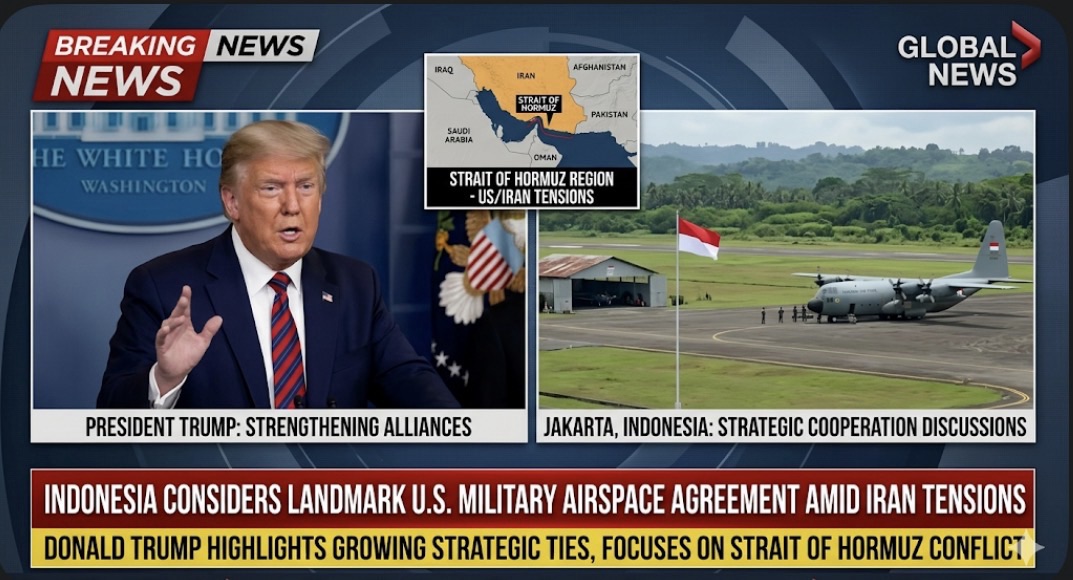
Indonesia is reportedly in discussions with the United States over a potential agreement that would allow U.S. military aircraft to transit through Indonesian airspace, a move that comes at a time of heightened geopolitical tension linked to the ongoing U.S.–Iran conflict in the Gulf region.
The proposed arrangement, still under internal review, is part of broader strategic talks aimed at strengthening defense cooperation between Jakarta and Washington. According to officials familiar with the discussions, the agreement would enhance operational flexibility for U.S. forces operating across the Indo-Pacific, particularly as military activities intensify around critical global shipping lanes such as the Strait of Hormuz.
The developments come amid an escalating confrontation between the United States and Iran, where tensions have surged following failed negotiations and increased military deployments in and around the Strait of Hormuz—one of the world’s most vital oil transit chokepoints. Recent reports indicate naval movements, blockade measures, and warnings from both sides, raising fears of wider regional instability.
In this context, Donald Trump has highlighted what he described as “growing strategic ties” between the United States and key Indo-Pacific partners, framing the Indonesia talks as part of a broader effort to strengthen American global military reach during a period of heightened conflict.
While Trump did not directly confirm operational details of the Indonesia negotiations, he emphasized the importance of maintaining strong alliances and ensuring that U.S. forces retain the ability to respond rapidly to emerging threats across multiple regions.
Indonesia, however, has maintained a cautious stance. Officials in Jakarta have stressed that any agreement must respect national sovereignty and comply with domestic legal frameworks. The country has long followed a non-aligned foreign policy and continues to balance relations with major global powers while avoiding direct involvement in military conflicts.
Defense analysts suggest that granting airspace access to U.S. military aircraft could significantly improve logistical coordination and reduce response times for American operations across the Indo-Pacific. However, they also warn that such a move could increase diplomatic sensitivity, particularly as tensions between Washington and Tehran remain high and the Strait of Hormuz crisis continues to disrupt global energy and trade routes.
The proposed agreement underscores a broader shift in global defense alignment, with countries across Asia reassessing security partnerships amid rising instability. As discussions continue, both Washington and Jakarta are expected to proceed carefully, weighing strategic benefits against potential geopolitical risks.
For now, the deal remains under negotiation, but its timing amid the intensifying U.S.–Iran confrontation highlights how regional diplomacy is increasingly being shaped by wider global conflicts.

Donald Trump Highlights Growing Strategic Ties as Indonesia Considers Landmark Agreement to Grant U.S. Military Aircraft Airspace Access Amid Escalating U.S.–Iran Conflict Over Strait of Hormuz

Donald Trump Launches Scathing Attack on Pope Leo XIV, Accusing Him of Weak Leadership on War and Failure to Address Rising Global Crime

Donald Trump’s Expectations from Britain Collapse as Keir Starmer Makes Clear Decision to Avoid Strait of Hormuz Military Escalation

Iran–Russia War Coalition Shakes Global Order as Leaders Move to Challenge Trump’s Strait of Hormuz Strategy

US Military Moves to Enforce Blockade on Iranian Shipping in the Strait of Hormuz After Donald Trump Orders Immediate Action

WWE Icon and Hollywood Superstar Dwayne Johnson Passes Away

Surprise Wedding Moment Planned by Travis Kelce and Taylor Swift’s Closest Friends Sparks Buzz

Former United States President Barack Obama Passes Away

Taylor Swift and Travis Kelce Secret Wedding Plans Stir Massive Buzz Across Entertainment and Sports Circles

WWE Icon and Hollywood Superstar Dwayne Johnson Passes Away
Taylor Swift and Travis Kelce Wedding Speculation Heats Up as Alleged Details of Date and Venue Emerge
