
NFL
As Donald Trump’s Deadline for Reopening the Strait of Hormuz Approaches, Iran’s Deputy Sports Minister Calls on Youth, Athletes, Artists and Students to Form Symbolic Human Chains Around Power Plants to Protest Potential U.S. Strikes

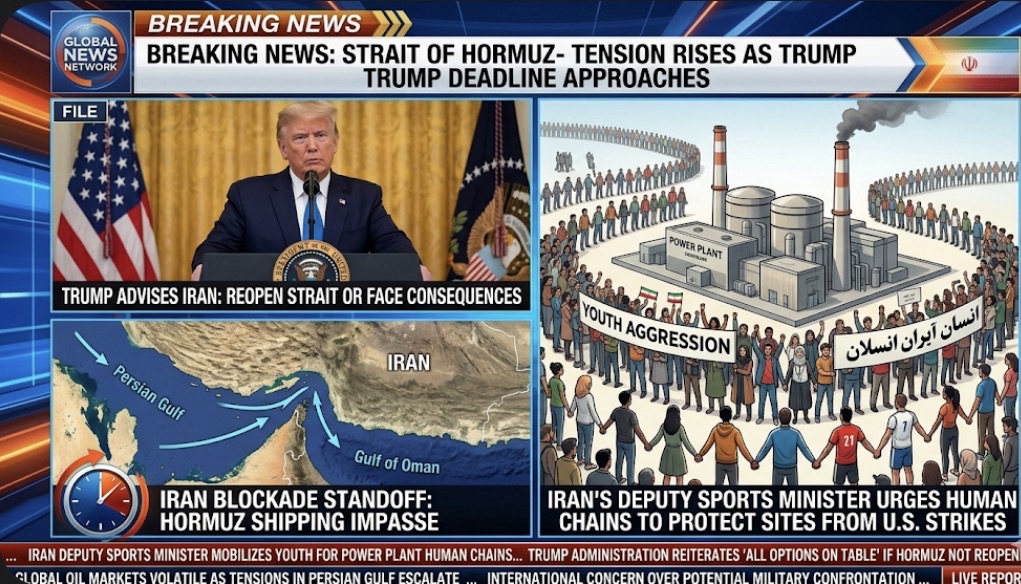
With the clock ticking toward a high-stakes ultimatum, Iran has called on its citizens—particularly youth, athletes, artists, and students—to form symbolic human chains around key power plants and energy facilities across the country. The initiative, reportedly backed by Iran’s Ministry of Sports and Youth, is being framed as a peaceful act of resistance and national unity amid mounting fears of potential U.S. strikes.
The call was amplified by Iran’s Deputy Youth Affairs Minister, who described the action as a grassroots idea proposed by young people themselves. Dubbed the “Human Chain of Iran’s Youth for a Bright Future,” the demonstration is intended to show solidarity and deter attacks on critical infrastructure by placing civilians—symbolically—between potential targets and military action.
This move comes in direct response to increasingly aggressive rhetoric from Washington. President Trump has issued a firm deadline demanding that Iran reopen the Strait of Hormuz, a vital global shipping route through which a significant portion of the world’s oil supply passes. He has warned that failure to comply could result in sweeping military strikes targeting Iran’s power plants, bridges, and other infrastructure.
The prospect of such attacks has raised alarm internationally, with critics warning that targeting civilian infrastructure could violate international law. At the same time, global oil markets have reacted sharply, with prices surging above $110 per barrel amid fears of supply disruptions tied to the standoff.
On the ground, tensions are already spilling over. Reports indicate ongoing airstrikes, retaliatory missile attacks, and rising casualties, underscoring how close the situation is to broader regional escalation. Against this backdrop, Iran’s call for human chains reflects both a symbolic protest and a strategic message: that its civilian population stands ready to defend national assets, even in the face of potential military confrontation.
Despite ongoing diplomatic efforts—including proposals for temporary ceasefires—Iran has so far rejected interim solutions, insisting instead on a permanent end to hostilities. As negotiations stall and the deadline looms, the risk of a direct and possibly devastating escalation continues to grow.

UK Prime Minister Keir Starmer Calls on Donald Trump to Ensure Full and Credible Ceasefire Implementation, Warning That Ongoing Violence in Lebanon Could Undermine Fragile Regional Truce

Trump Administration Considers Closing US Military Bases in Spain or Germany and Repositioning Troops to More Cooperative NATO Allies Like Poland, Romania, Lithuania, and Greece Over Limited Support During the Recent Iran War

International Alarm Grows as Iran Rejects Ceasefire Within 24 Hours, Reopening the Possibility of Conflict Centered on the Strait of Hormuz

Critics Demand Immediate Clarification After Donald Trump Appears to Propose Joint Economic Control of the Strait of Hormuz Amid Ongoing Military Tensions

U.S. Lawmakers Demand Investigation Into Donald Trump’s Finances After Controversial Defense Stock Investment Allegations Linked to Iran War Surface

Russia’s President Vladimir Putin Issues Blunt Warning to Iran, Urging Leaders Not to Trust the United States or Donald Trump Despite Newly Announced Ceasefire Agreement

Iran Agrees to Immediate and Safe Reopening of the Vital Strait of Hormuz in Exchange for Two-Week US Strike Suspension—Trump’s Pressure Delivers Short-Term Relief, But Skeptics Warn It’s Merely a Tactical Pause, Not Defeat for Washington

In a Dramatic Diplomatic Development, Donald Trump Engages Kim Jong Un in a Secret Direct Call While Global Attention Fixes on the Strait of Hormuz Crisis and Fears of Escalation Grow

Donald Trump Reportedly Activates “Doomsday Plane” as U.S. Raises Nuclear Command Readiness Amid Intensifying Standoff With Iran

Trump Declares “Complete and Total Regime Change” in Iran as 47-Year Islamic Republic Faces Collapse Tonight

As Donald Trump’s Deadline for Reopening the Strait of Hormuz Approaches, Iran’s Deputy Sports Minister Calls on Youth, Athletes, Artists and Students to Form Symbolic Human Chains Around Power Plants to Protest Potential U.S. Strikes
