
CELEBRITY
Energy War Brewing? Iran Signals Israel’s Biggest Gas Fields Could Be Next.”

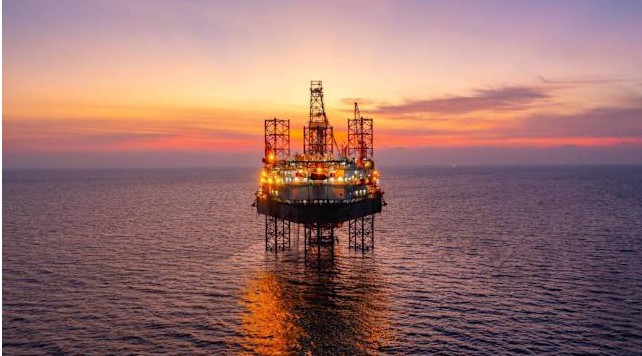
The U.S.–Israeli war with Iran has officially reached Chevron’s Middle East growth engine. Israel ordered Chevron to shut production at its giant offshore Leviathan gas field after joint U.S.–Israeli strikes on Iran and retaliatory attacks raised security risks to critical energy infrastructure.
Leviathan is Israel’s largest gas field and a key supplier to Israel, Egypt, and Jordan. In the first nine months of 2025, the field sold 8.1 billion cubic meters of gas, with Egypt taking more than half, Chevron followed the shutdown order by declaring force majeure, a formal notice that it cannot meet some contract obligations because of events beyond its control.
Israel’s energy ministry acted on a “security recommendation” when it told Chevron to suspend Leviathan operations until further notice, NewMed Energy said in a stock filing cited.
Chevron said that all personnel and facilities at Leviathan remain safe and that the company is complying with the temporary shut‑in directive from Israel’s Ministry of Energy.
When I look at that combination of forced shutdown plus expansion spending, it feels like a textbook example of geopolitical risk finally catching up with a big‑ticket growth narrative.
Chevron’s Leviathan pause is part of a broader pattern of Middle East energy assets going offline as the Iran war drags on. Israel has ordered shutdowns at multiple offshore gas fields and at its 197,000‑barrel‑a‑day Haifa refinery after U.S.‑Israeli strikes on Iran and retaliatory missile attacks.
Energean confirmed that it was told to suspend production at the Karish gas field, trimming Israel’s export capacity further, according to OilPrice. Those moves worsen the region’s gas balance because Leviathan and Karish both supply Israel’s domestic demand and exports to neighbors that rely heavily on imported gas, said Argus.
The disruption is not limited to Israel.
Qatar temporarily shut down its liquefied natural gas facilities at Ras Laffan and Mesaieed after drone strikes linked to the conflict, cutting around 20 percent of global LNG export capacity, according to Argus. Saudi Arabia also suspended production at its largest domestic refinery as a precaution after Iranian attacks and debris fell near key Gulf energy sites.
Global shipping is now tangled up in the conflict.
Traffic through the Strait of Hormuz has been closed for days after Iran attacked multiple ships, effectively blocking a route that carries about 20 percent of global oil and gas supply, said Channel NewsAsia. Hundreds of oil and LNG tankers are stranded near hubs such as Fujairah, and shipping rates have jumped to record levels as the war intensifies, the same report said.
When I connect all of that, Leviathan’s shut‑in looks less like a one‑off and more like one link in a chain of outages stretching from the Eastern Mediterranean to the Gulf.
What this means for prices, inflation, and central banks
A regional supply shock like this rarely stays contained to energy traders’ screens. Global oil and gas prices have climbed more than 15% since the latest round of strikes began, with Brent crude up about 6 percent on one recent trading day to above $82 per barrel, according to Channel NewsAsia.
European gas prices have spiked roughly 40% on top of a previous 40 percent jump as Qatar’s LNG halt and Israeli disruptions tighten supply, Channel NewsAsia said. At the same time, gasoline prices in the United States have moved back above $3 a gallon, reversing some of the relief drivers saw earlier this winter.
Analysts are already warning that the energy shock could re‑ignite inflation and complicate central bank plans.
Iran’s Central Military Command Rejects US President Donald Trump’s 48-Hour Ultimatum to Accept a Peace Deal or Risk Destruction of the Country’s Vital Infrastructure, Branding the Threat as a Sign of “Helpless and Nervous” Weakness

President Donald Trump Reacts to Iran’s Downing of US F-15E Fighter Jet Over Its Territory: One Crew Member Rescued, Search Ongoing for the Second, Yet Trump Declares the Incident ‘Won’t Affect’ Indirect Negotiations with Tehran, Adding ‘It’s War, We’re in War’

Iran Firmly Rejects All Temporary Ceasefire Proposals from the US and Israel, Including Trump’s Latest 48-Hour Offer, as Tehran Insists on Its Own Conditions for Ending the Conflict Amid Ongoing Regional Strikes

“Time Is Running Out”: President Trump Warns Iran Has Just 48 Hours Left to Reach a Deal or Open the Vital Strait of Hormuz Before Massive US Retaliation Unleashes “All Hell”

“As Donald Trump’s Administration Wages War on Iran, Defense Secretary Pete Hegseth Ousts Army Chief Gen. Randy George, Who Allegedly Declares That a ‘Madman’ Is Steering America’s Military Toward Ruin”

Breaking: Iranian Outlets Allege US Pilot Found Hiding in Cave, Fooled by Bounty-Hunting Civilians Promising Safe Return to America Before IRGC Handover — Trump Responds That F-15E Loss Is Just ‘War’ and Won’t Derail Talks

Power Struggle Threatens U.S. Military Stability in Trump’s Second Term: Plagued by Insecurity and Fears That President Trump Could Elevate Dan Driscoll in His Place, Pete Hegseth Orders the Immediate Retirement of Gen. Randy George and Launches a Crackdown on Perceived Rivals

Amid Iran War, Trump’s Defense Secretary Pete Hegseth Forces Out Army Chief Gen. Randy George and Other Senior Officers Due to Fears of Losing His Job

From Wedding Vows to Battlefield Loss: Newlywed Captain Ethan Walker Named as Second F-15E Pilot Killed After Iran Downs U.S. Fighter Jet, Leaving Nation in Mourning as Trump Receives Urgent Update

Heartbreaking News Emerges as Andy Reid’s Wife, Tammy Reid, Reportedly Dies, With Fans, Players, and the Kansas City Chiefs Organization Sending Condolences

Trump Vows to Bomb Iran ‘Back to the Stone Ages’ as Search Continues for Missing Pilot Following F-15E Fighter Jet Shootdown; Rescued Crew Member Now Receiving Medical Treatment
